Few things worry a cat owner more than watching their cat strain in the litter box. Urinary problems are among the most common reasons cats visit the vet, and they can turn serious very quickly. The encouraging part is that daily nutrition plays a real role in protecting the bladder and urinary tract. This guide explains how food affects urinary health, how to pick the best cat food for urinary health, and which habits help your cat stay comfortable for the long term.
Quick answer: Choose a complete and balanced diet made for urinary support, ideally with high moisture content and controlled minerals. Wet food is usually the strongest option, and a urinary-formulated dry food can work as part of the plan. If your cat has had crystals or stones, only feed a therapeutic diet that your veterinarian recommends.
Understanding Feline Urinary Problems
Veterinarians use the term feline lower urinary tract disease (FLUTD) for a group of conditions affecting the bladder and urethra. These include bladder inflammation, urinary crystals, bladder stones, and, in male cats especially, urethral blockages. A blockage is a medical emergency, so never wait if you suspect one.
Watch for these warning signs:
- Frequent trips to the litter box with little or no urine
- Straining, crying, or looking uncomfortable while urinating
- Blood in the urine or a great change in smell
- Urinating outside the litter box
- Excessive licking of the genital area
Any of these signs deserves a prompt vet visit, not a diet change at home.
Why Diet Makes Such a Difference
Cats evolved from desert animals and naturally drink very little water. Their bodies concentrate urine to save fluid, and concentrated urine makes it easier for minerals to form crystals. Food can change this picture in three important ways:
- Moisture: Foods with more water dilute urine, making crystal formation less likely.
- Mineral balance: Controlled levels of minerals such as magnesium and phosphorus help limit crystal-forming material.
- Urine pH: Some urinary formulas are designed to keep urine within a healthier acidity range, which discourages certain crystal types.
That is why a urinary diet isn’t just regular food with a new label. It is a nutritional tool designed around how the urinary system works.
How to Choose the Best Cat Food for Urinary Health
Use this checklist when comparing products:
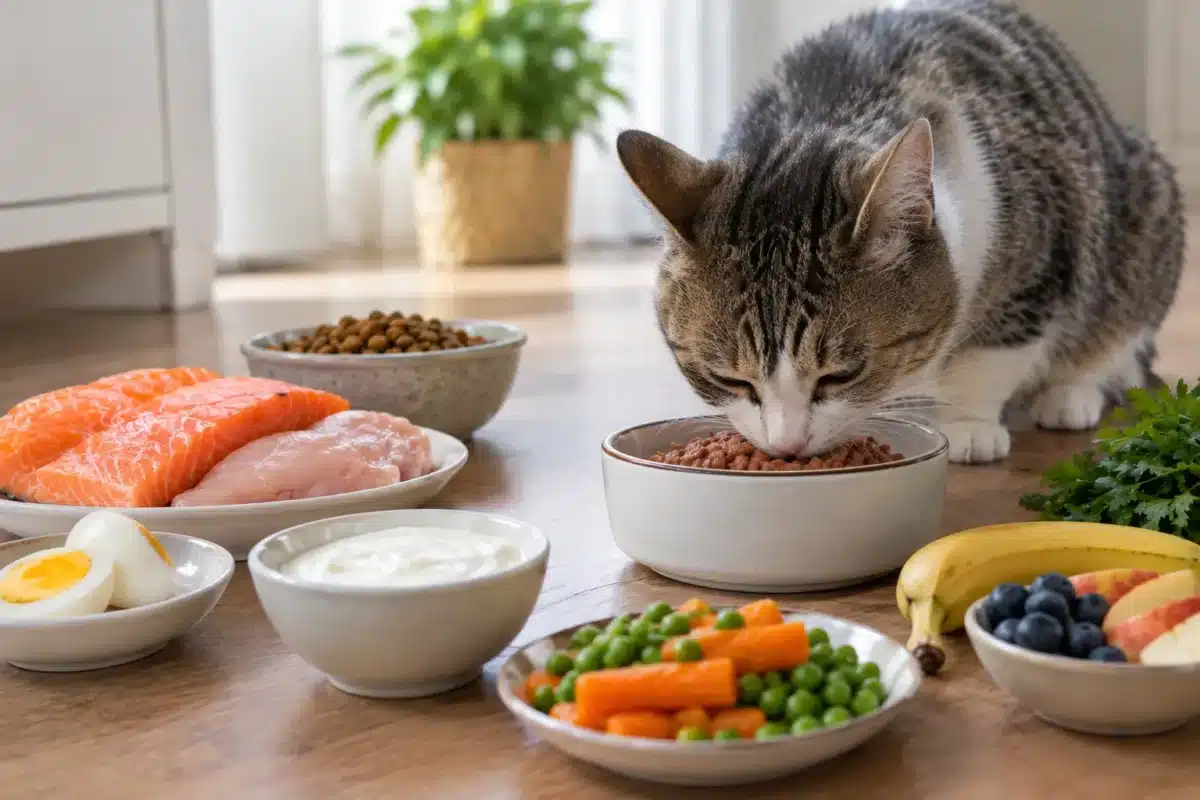
- High moisture: Wet food and soft food help your cat take in more water without extra effort.
- Controlled minerals: Look for diets that are clearly labeled for urinary support rather than general adult maintenance.
- Quality animal protein: Cats need meat-based protein, so named meat sources should lead the ingredient list.
- Complete and balanced: The label should state that the food meets the nutritional needs of adult cats.
- Veterinary guidance: Cats with a history of crystals, stones, or blockages need a diet chosen by a vet, because struvite and calcium oxalate crystals are managed differently.
- Gradual transition: Switch foods over 7 to 10 days to avoid stomach upset.
Remember that urinary-support foods for healthy cats and therapeutic diets for cats with existing problems are not the same thing. Ask your vet which category your cat belongs to.
Wet Food or Dry Food?
Wet food has the clear advantage for urinary care because the extra moisture dilutes urine and encourages more frequent urination. Cats that eat mostly wet food usually take in far more water than cats on dry food alone.
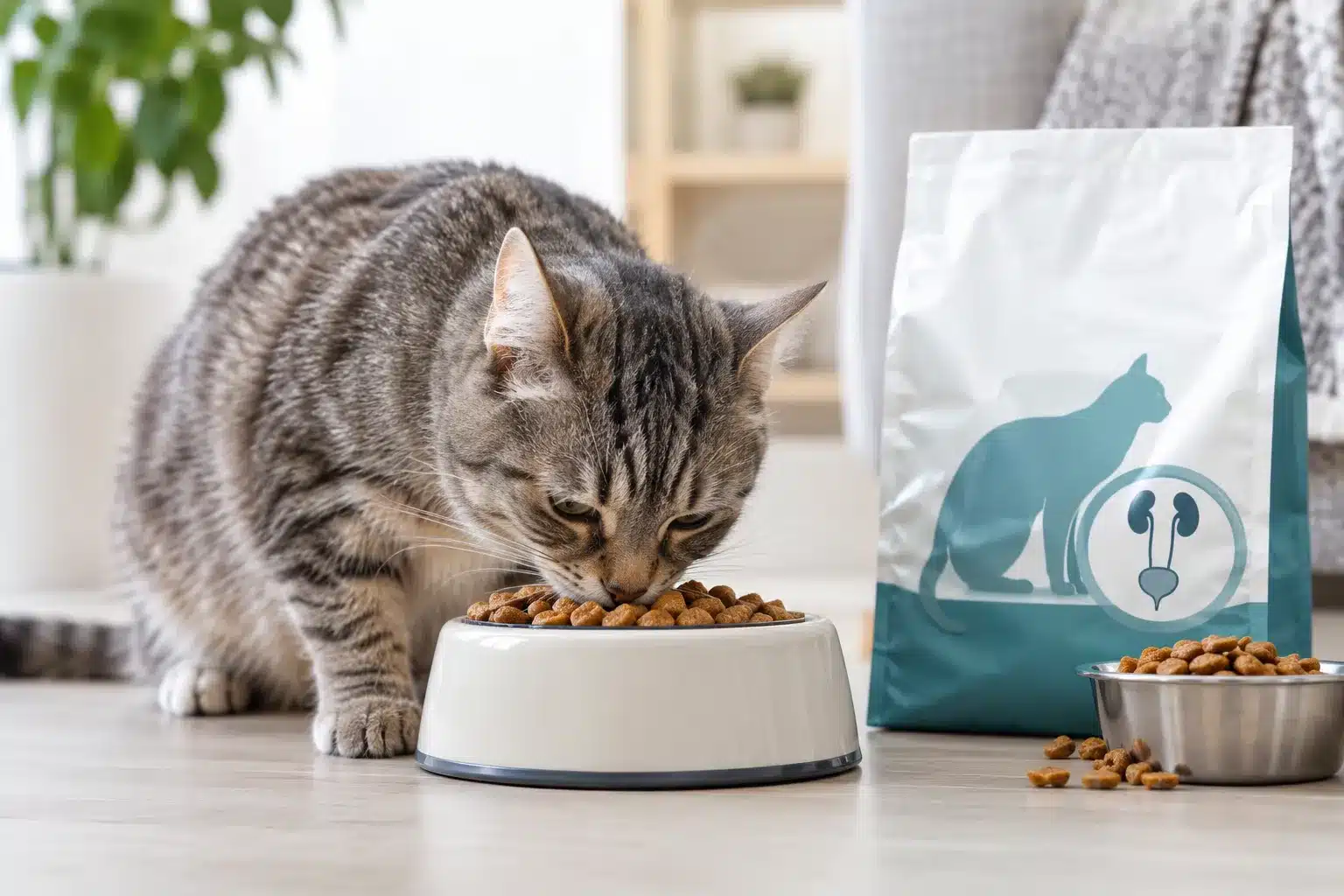
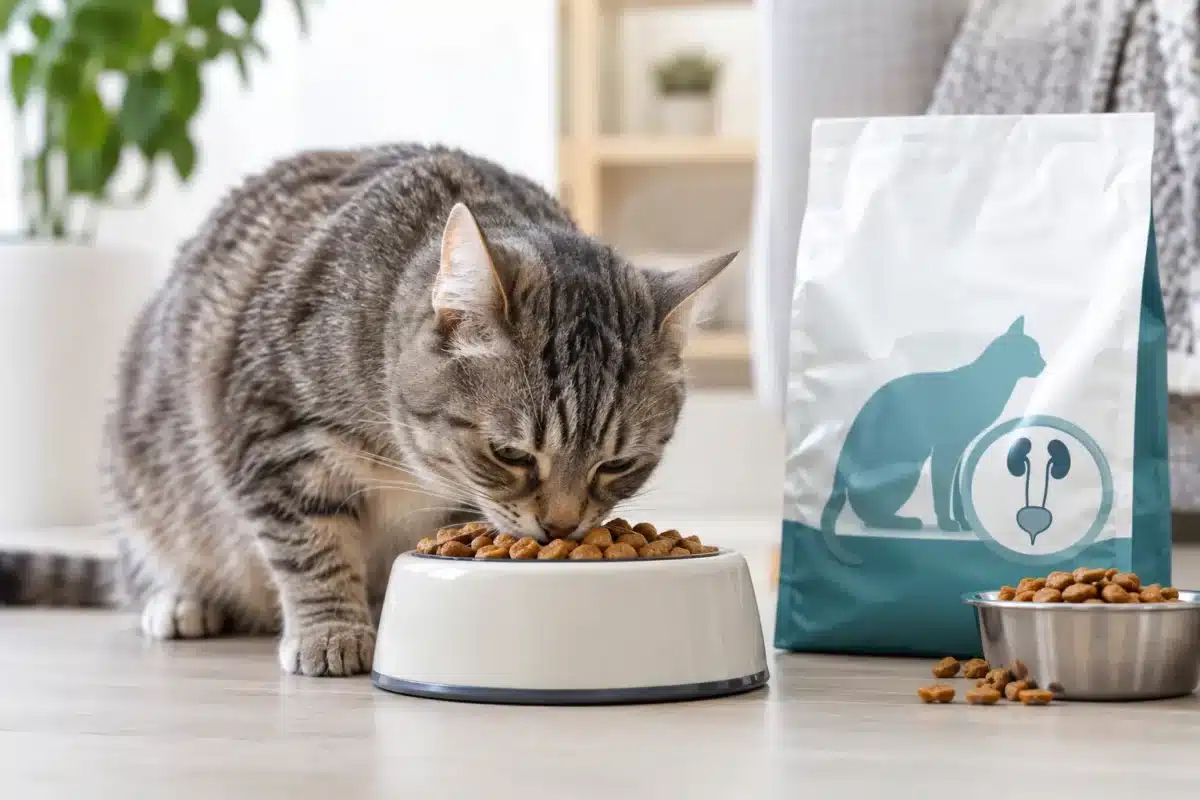
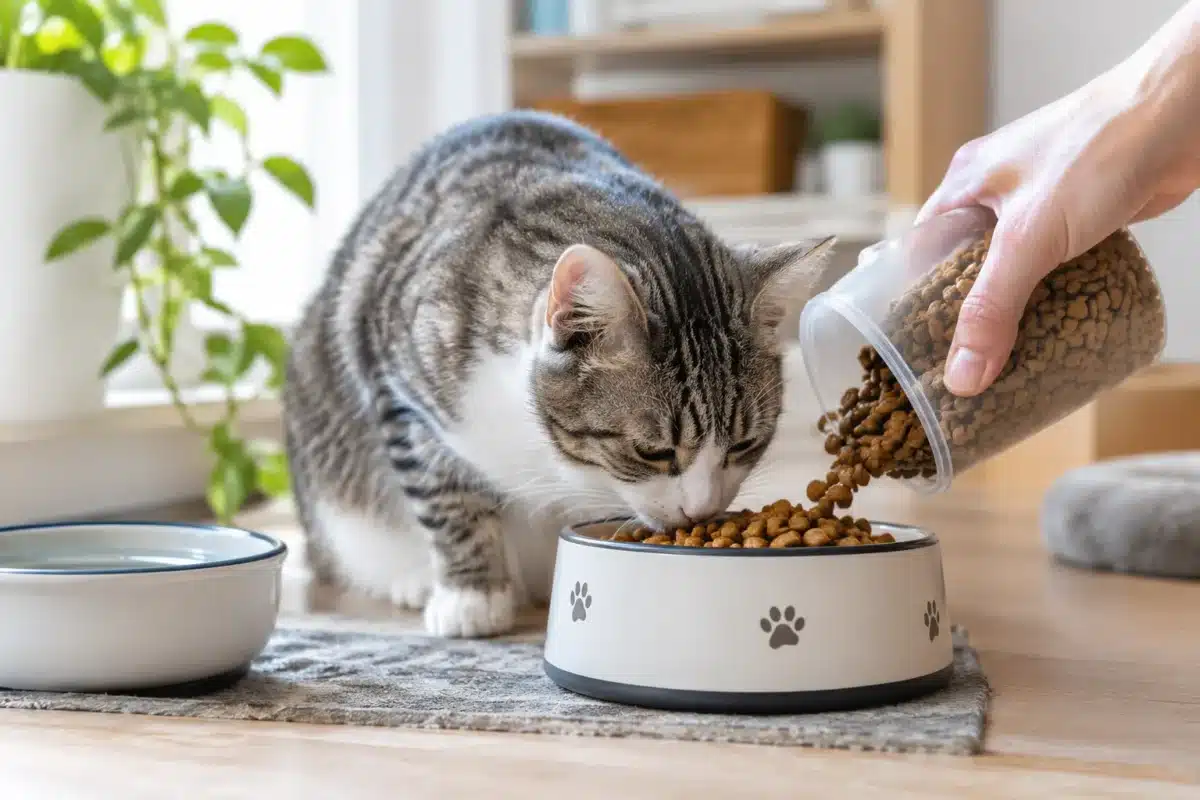
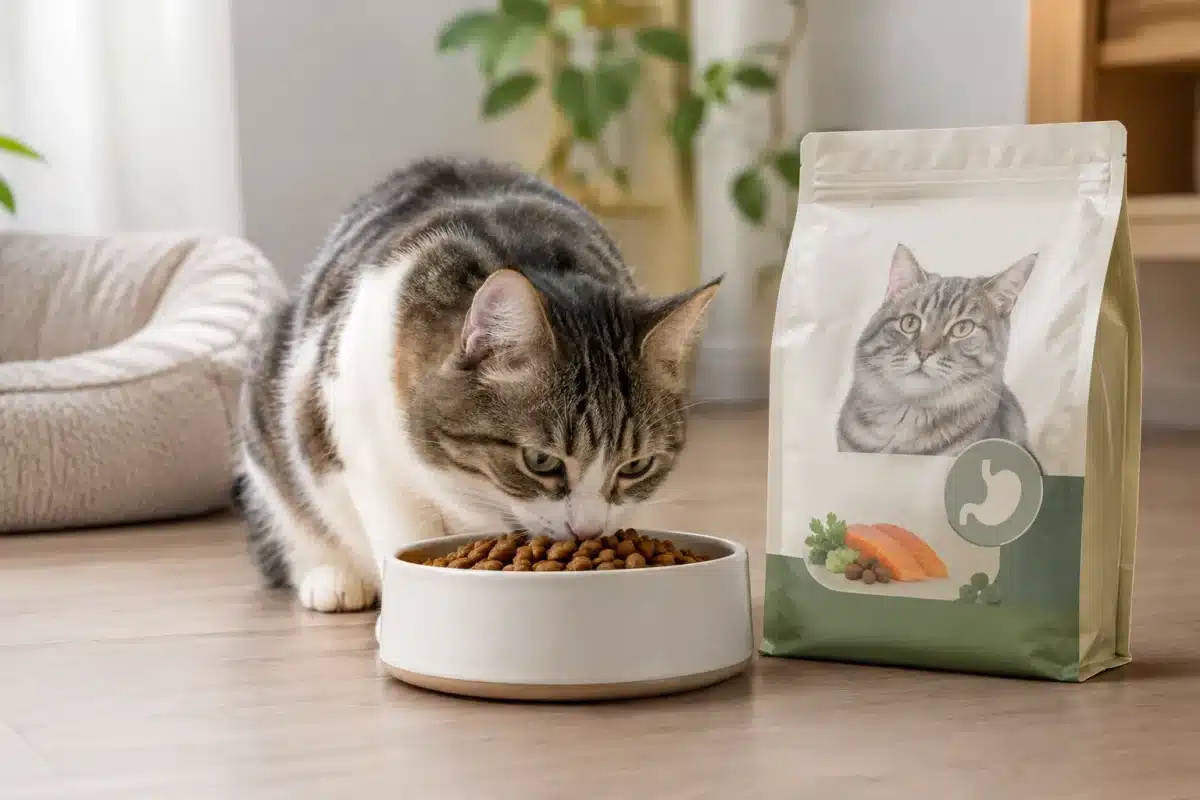
That said, many households rely on dry food for budget or convenience reasons. If you go that route, the best dry cat food for urinary tract health is a formula made specifically for urinary support, not a standard adult kibble. Pair it with fresh water in several spots around the house, and consider adding wet meals a few times a week to raise your cat’s overall fluid intake.
Urinary-Care Options at The Pet Kingdom
If you are looking for the best cat food for urinary health in Egypt, these sections of our store are a good place to begin:
- Cat Special Food & Medical Food: Our home for veterinary and condition-specific diets, including formulas for urinary support.
- Hill’s veterinary pouches and canned food: Moisture-rich wet meals, convenient for pouring extra fluid into your cat’s daily routine.
- Cat Soft Food: Soft, high-moisture meals that suit cats who need more hydration in their diet.
- Cat Dry Food: Everyday options such as ALPHA Adult Cats Dry Food with Poultry, an Egyptian-made complete diet for healthy adult cats. It is a general maintenance food, so ask your vet before using it for a cat with urinary issues.
- Cat Bowls & Feeders: Wide bowls and extra water stations make drinking easier.
- Cat Litter & Litter Boxes: Clean, comfortable boxes encourage regular urination and make changes easier to notice.
Not sure which product fits your cat? Tap to message our team on WhatsApp.
Daily Habits That Support a Healthy Bladder
Food is only part of the picture. These habits make a real difference:
- Boost water intake. Place several bowls around the home, keep them fresh, and consider a drinking fountain if your cat prefers running water.
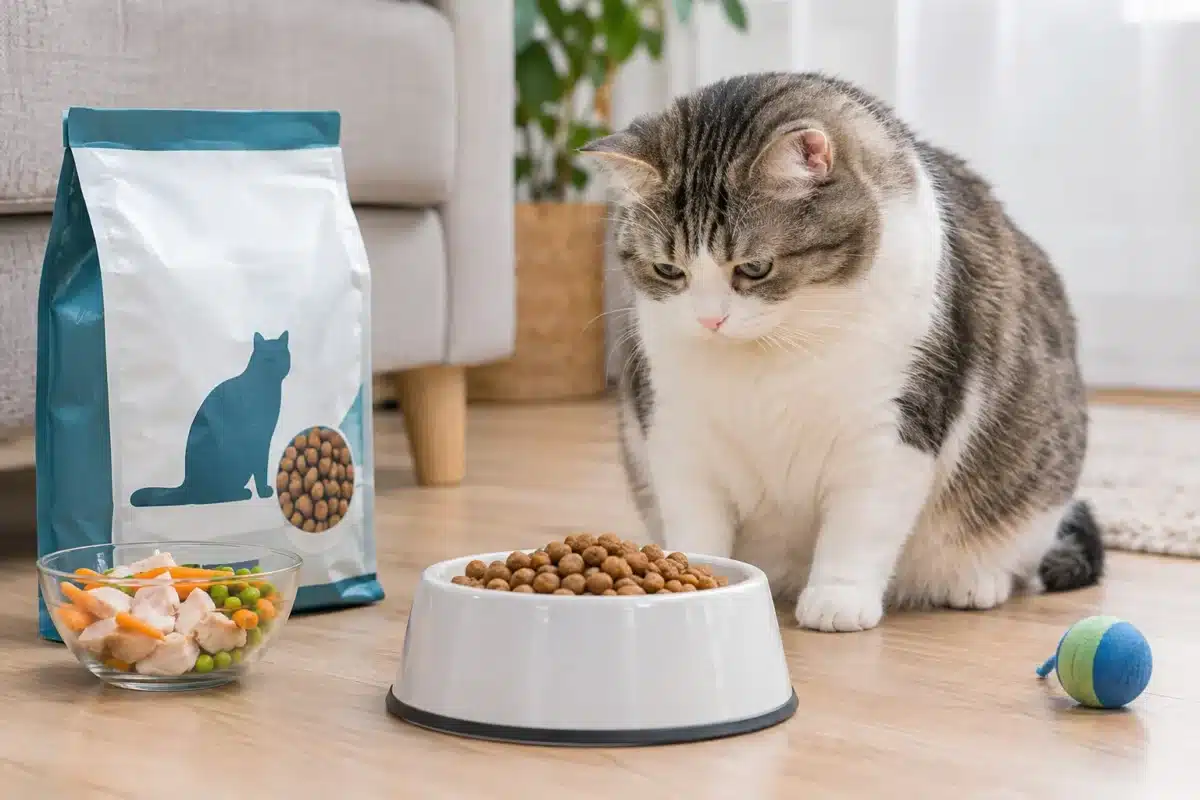
- Add wet meals. Even a few wet meals each week increase total fluid intake.
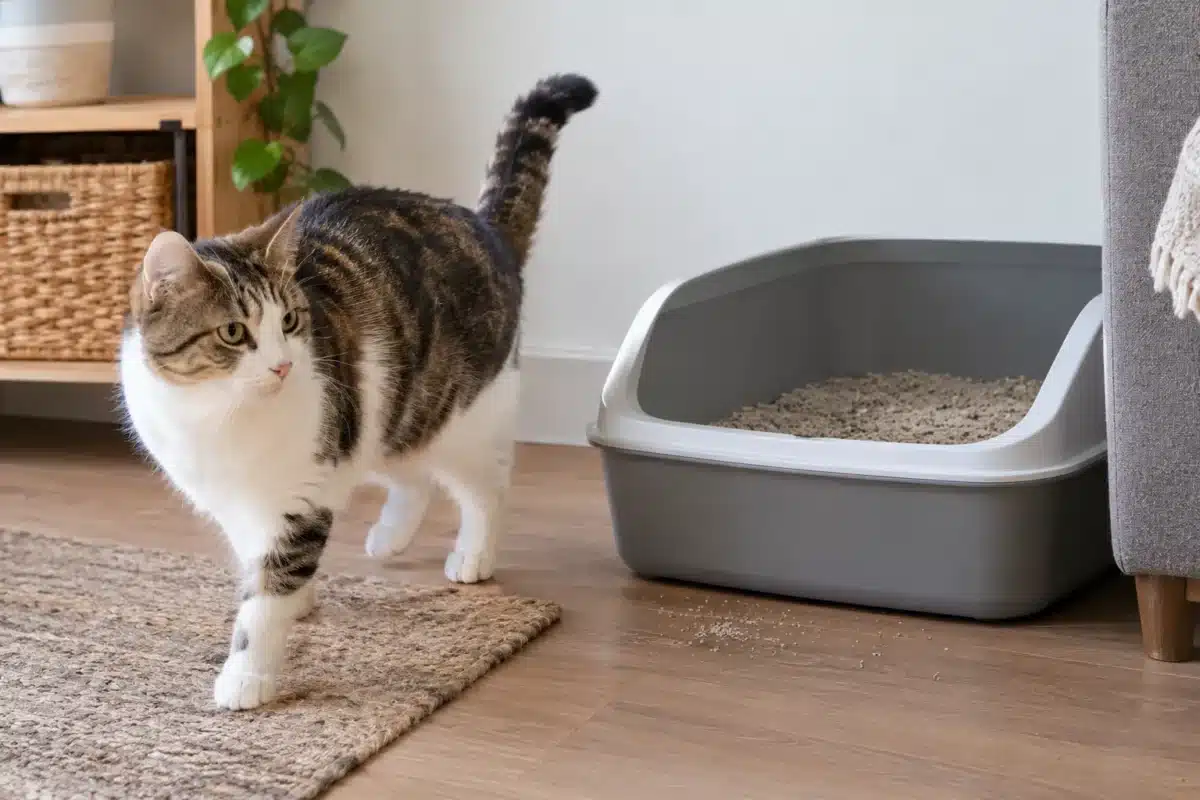
- Keep litter boxes clean. Scoop daily and follow the rule of one box per cat plus one extra.
- Reduce stress. Stress is a known trigger for bladder inflammation, so keep routines steady and give your cat hiding spots and vertical spaces.
- Encourage play. Active cats maintain a healthier weight, and obesity is linked to urinary problems.
- Monitor habits. Notice how often your cat urinates, and report any sudden changes.
When to See a Veterinarian
Contact your vet right away if your cat is straining without producing urine, crying in the litter box, or seems lethargic. This is especially urgent for male cats, because a blocked urethra can become life-threatening within hours. Food supports prevention, but it is never a replacement for diagnosis and treatment.
Protecting your cat’s urinary system comes down to hydration, balanced minerals, a low-stress home, and regular vet guidance. The best cat food for urinary health is one that is complete, high in moisture, designed for urinary support, and approved by your vet for your cat’s specific history. Browse the cat food collection at The Pet Kingdom and build a feeding plan that keeps your cat comfortable and healthy.
FAQs
1. Is wet food better than dry food for urinary health?
Yes, wet food usually helps more because its moisture dilutes urine. A urinary-formulated dry food can still work when combined with plenty of fresh water.
2. Can food dissolve urinary crystals in cats?
Some veterinary diets are designed to dissolve certain crystal types, such as struvite. Only use them under your vet’s supervision, since the right diet depends on the crystal type.
3. How can I get my cat to drink more water?
Place several clean bowls around the house and try a drinking fountain. Adding wet food meals also raises daily fluid intake.
4. Can I give a urinary diet to a healthy cat?
Some urinary-support foods are made for healthy adult cats, but therapeutic diets are not for every cat. Ask your vet before switching.
5. What are the signs of a urinary problem in cats?
Common signs include straining, frequent litter box visits, blood in the urine, and urinating outside the box. See a vet quickly, as blockages are emergencies.