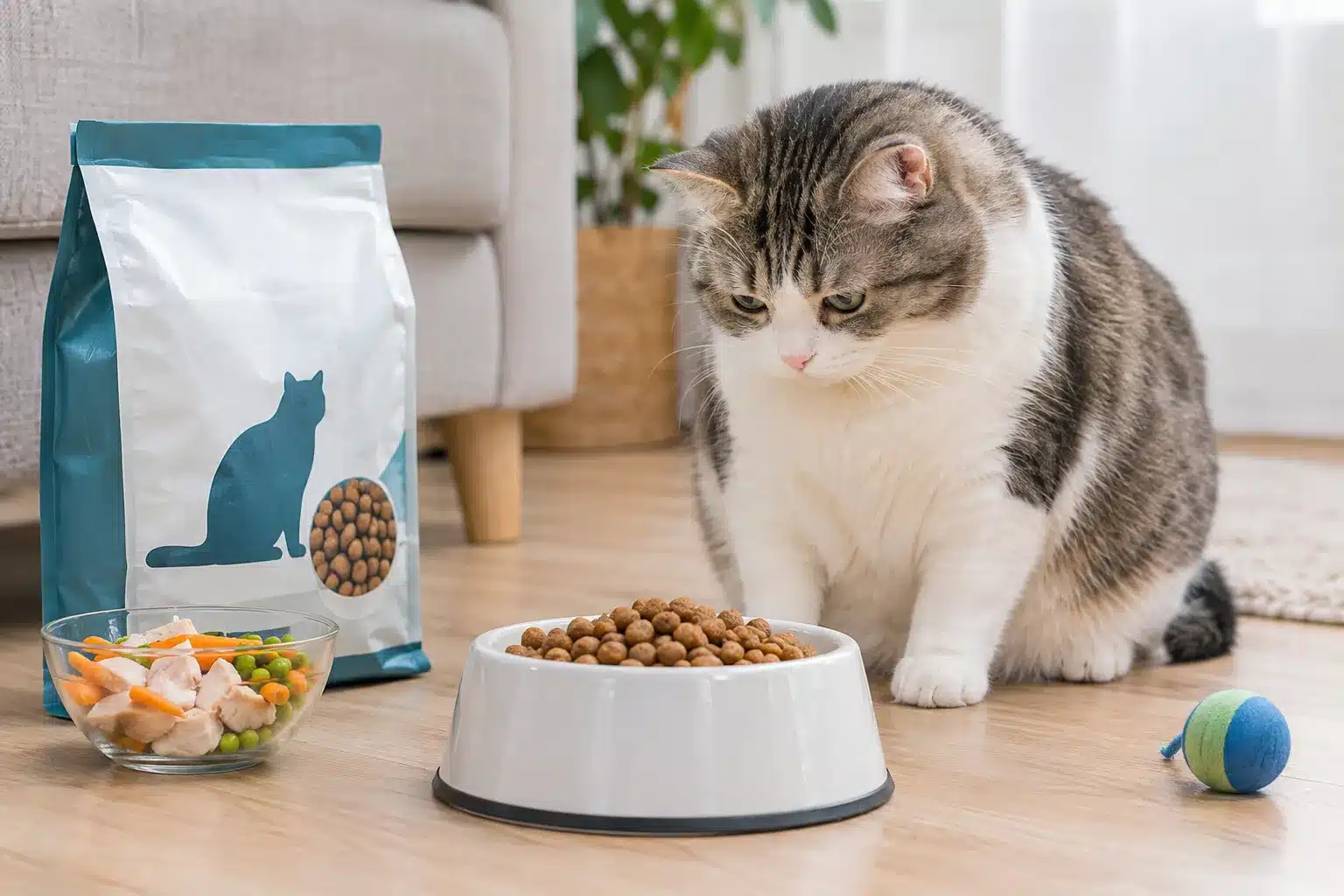
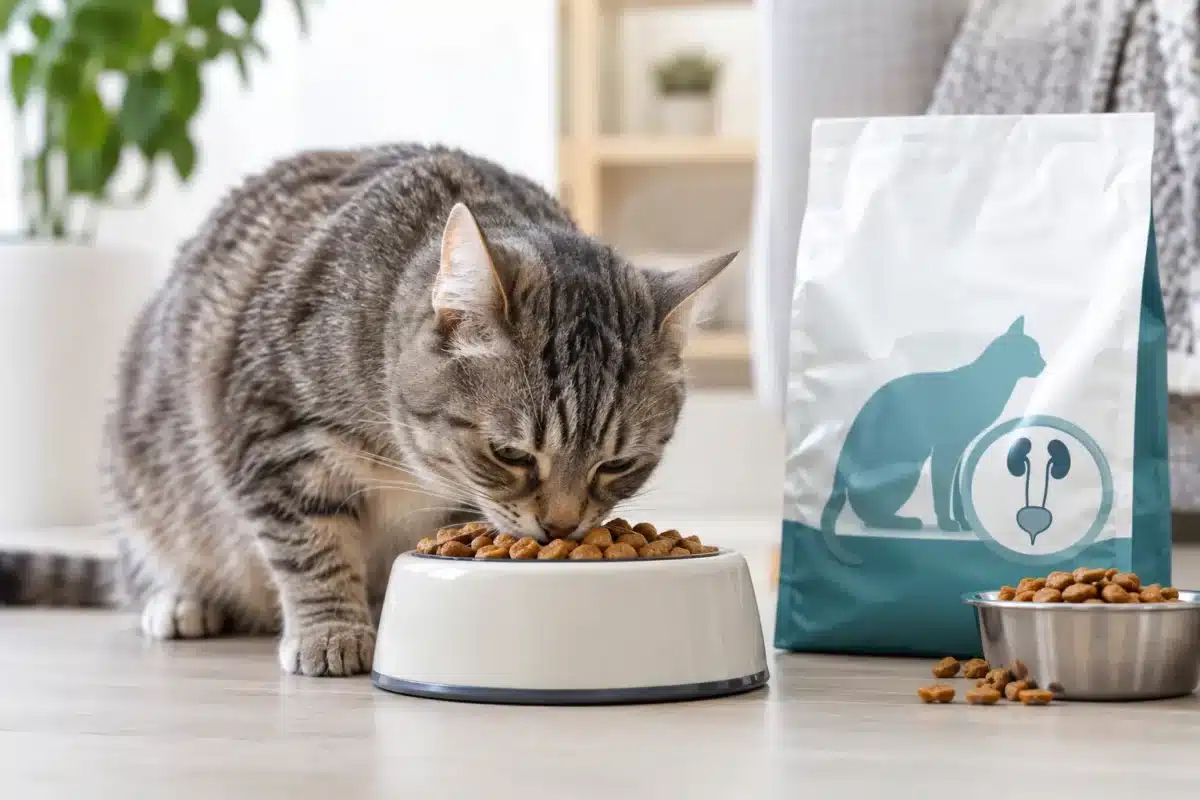
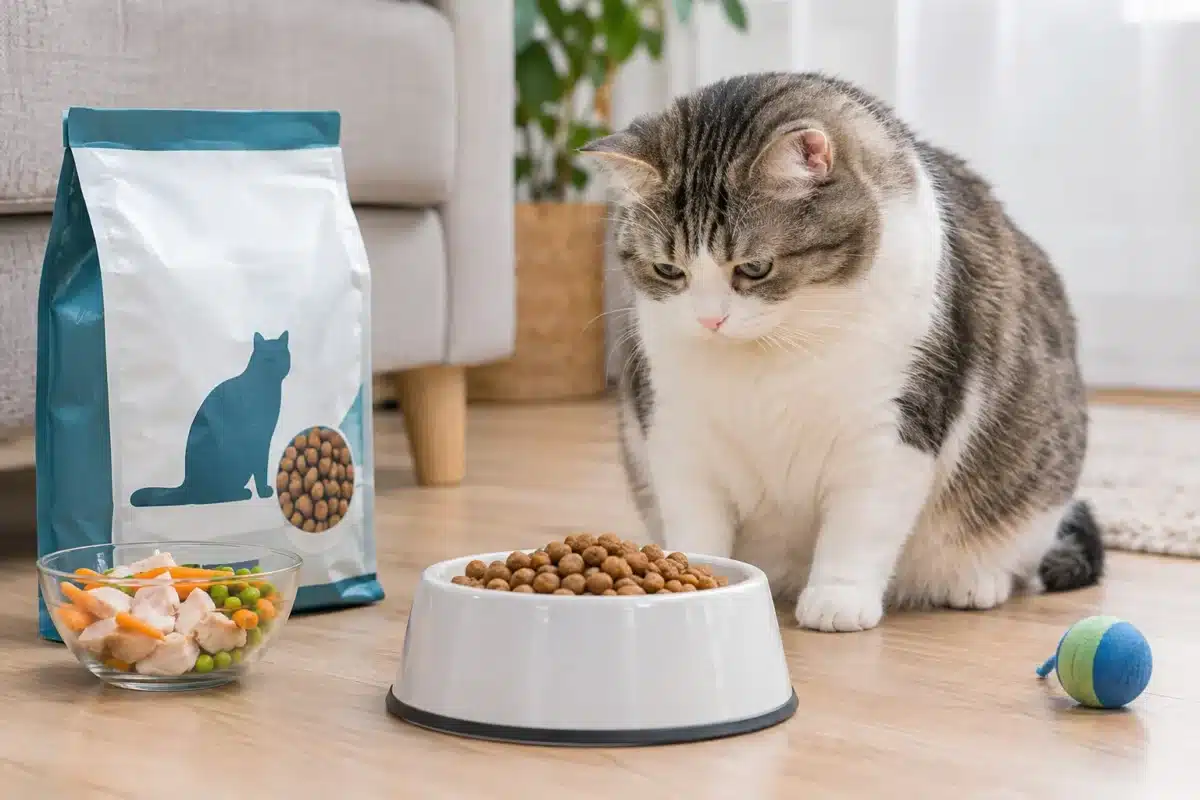
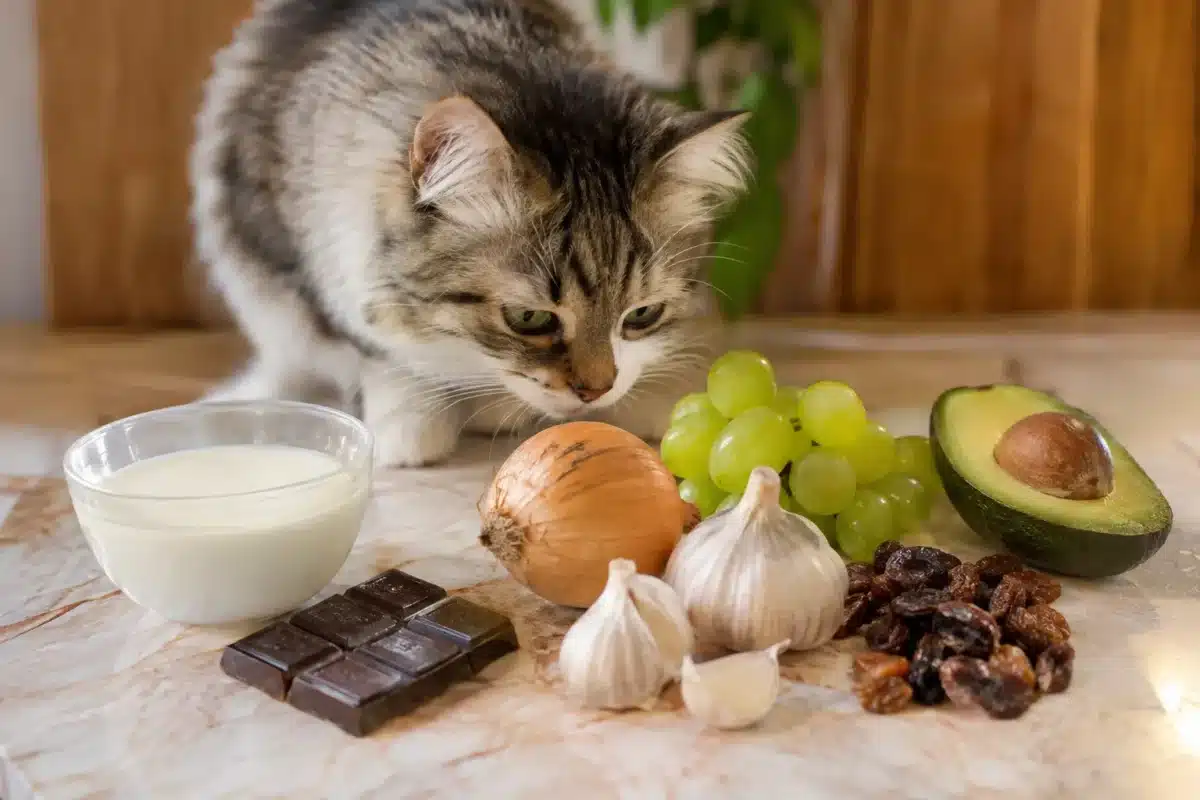
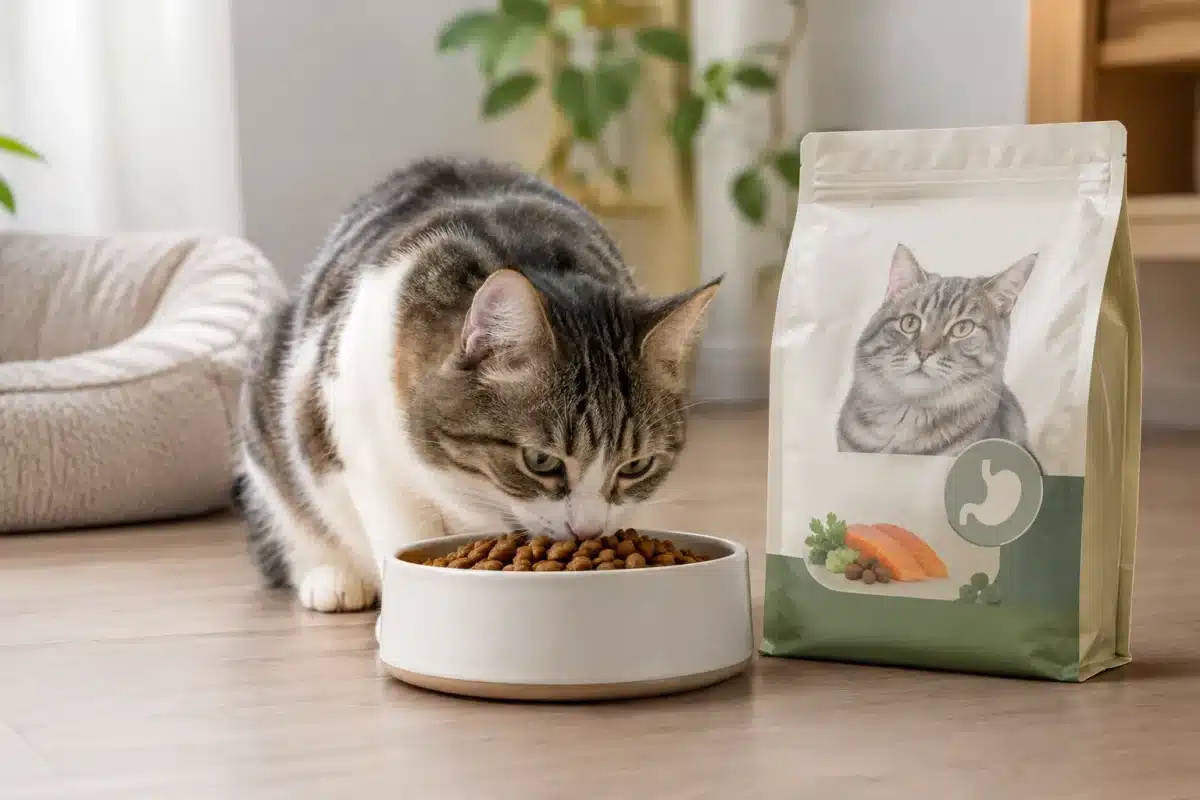
A chubby cat may look adorable, but extra weight quietly puts their health at risk. Excess body fat raises the risk of diabetes, joint pain, urinary problems, and a shorter lifespan. The good news is that most cats can slim down safely with the right diet and routine. This guide explains how to choose the best cat food for overweight cats, what to look for on the label, and how to build a feeding plan that works in a real home.
Quick answer: Choose a complete and balanced low-calorie cat food that is high in protein, moderate in fat, and rich in fiber. Wet food, or wet food combined with measured dry food, helps cats feel full. Always confirm your cat’s target weight and daily portion with your veterinarian.
Why Weight Control Matters for Cats
Cats are obligate carnivores, so their bodies are built to run on animal protein, not on carbohydrates. When a cat eats too many calories and moves too little, the surplus turns into fat. Over time, this can lead to:
- Diabetes and insulin resistance
- Arthritis and difficulty jumping or grooming
- Urinary tract problems
- Lower energy and a weaker quality of life
Indoor cats are especially prone to weight gain, because they burn fewer calories and often graze on food that is always available.
How to Choose the Best Cat Food for Overweight Cats
Not every “light” label deserves your trust. Use this checklist when comparing weight control cat food:
- Real animal protein first: Chicken, turkey, fish, or other named meats should lead the ingredient list. Protein protects muscle while your cat loses fat.
- Controlled calories and fat: Check the calorie content per cup or per pouch, not just the front-of-pack claims.
- Added fiber: Fiber adds bulk, so your cat feels satisfied on fewer calories.
- Complete and balanced nutrition: The food should meet adult cat requirements, so a calorie cut never creates a nutrient gap.
- Few fillers: Avoid foods heavy in sugar, corn syrup, or unnamed by-products.
Some therapeutic formulas also include L-carnitine, which supports fat metabolism. These are usually sold as veterinary diets, so ask your vet which type suits your cat.
Wet Food or Dry Food for Weight Management?
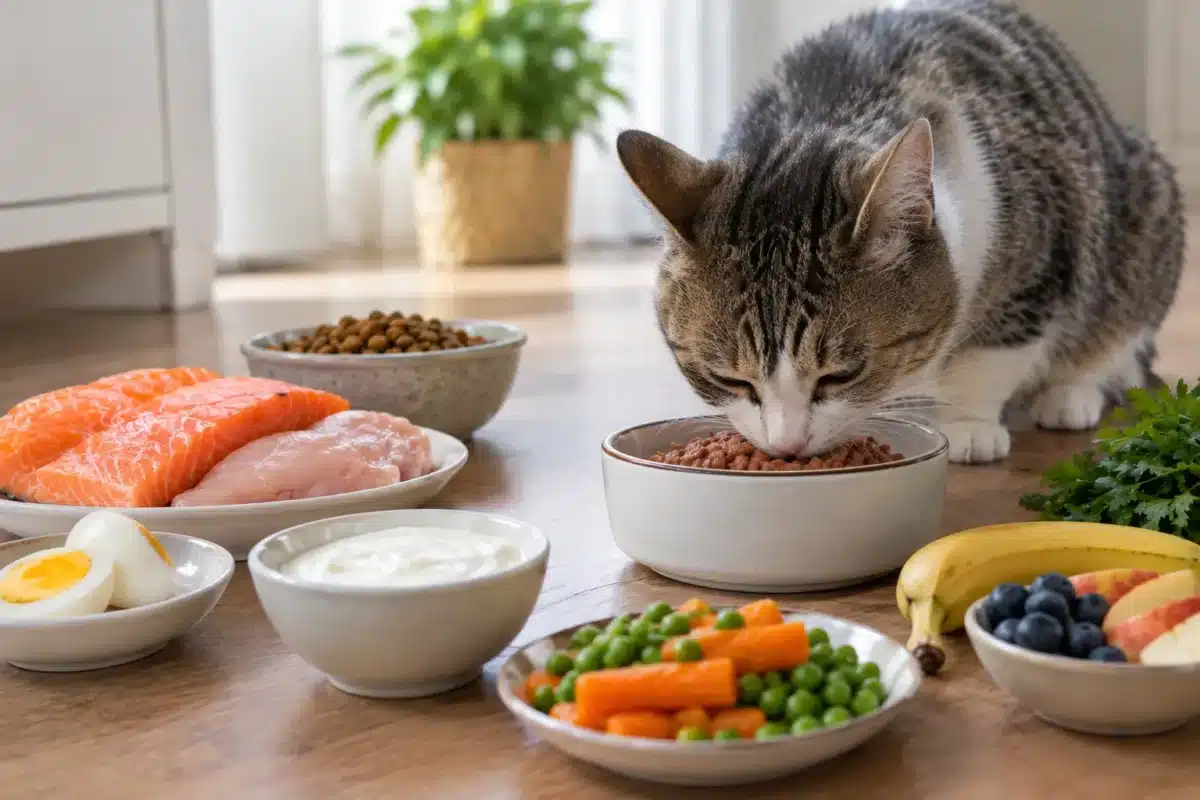
Wet food has a clear advantage for dieting cats. Its high moisture content fills the bowl and the stomach with fewer calories, and it supports urinary health too. Dry food is convenient and affordable, but it is calorie-dense, so a few extra pieces can undo your progress.
Many owners find a mixed approach works best: a measured portion of dry food in the morning and wet food in the evening. Whatever you choose, weigh the portions instead of guessing.
Weight-Control Options at The Pet Kingdom
If you are shopping for the best cat food for overweight cats in Egypt, start with these sections of our store:
- Cat Special Food & Medical Food: The place to look for veterinary and condition-specific diets, including options for weight management.
- Hill’s veterinary pouches and canned food: Portion-controlled wet food, a good fit for cats that need structure at mealtime.
- Cat Soft Food: Moisture-rich meals that help your cat feel full.
- ALPHA Adult Cats Dry Food with Poultry: An Egyptian-made complete diet in 4 kg and 10 kg bags, suited to healthy adult cats once your vet confirms their calorie needs.
- Cat Bowls & Feeders: Useful tools for controlling portions and slowing down fast eaters.
- Cat Toys: Daily play burns calories and keeps indoor cats active.
Unsure which product fits? Use the “Ask about this Product” button on any page to message our team on WhatsApp.
A Simple Feeding Plan
- Visit your vet first. They will confirm your cat’s ideal weight and rule out medical causes.
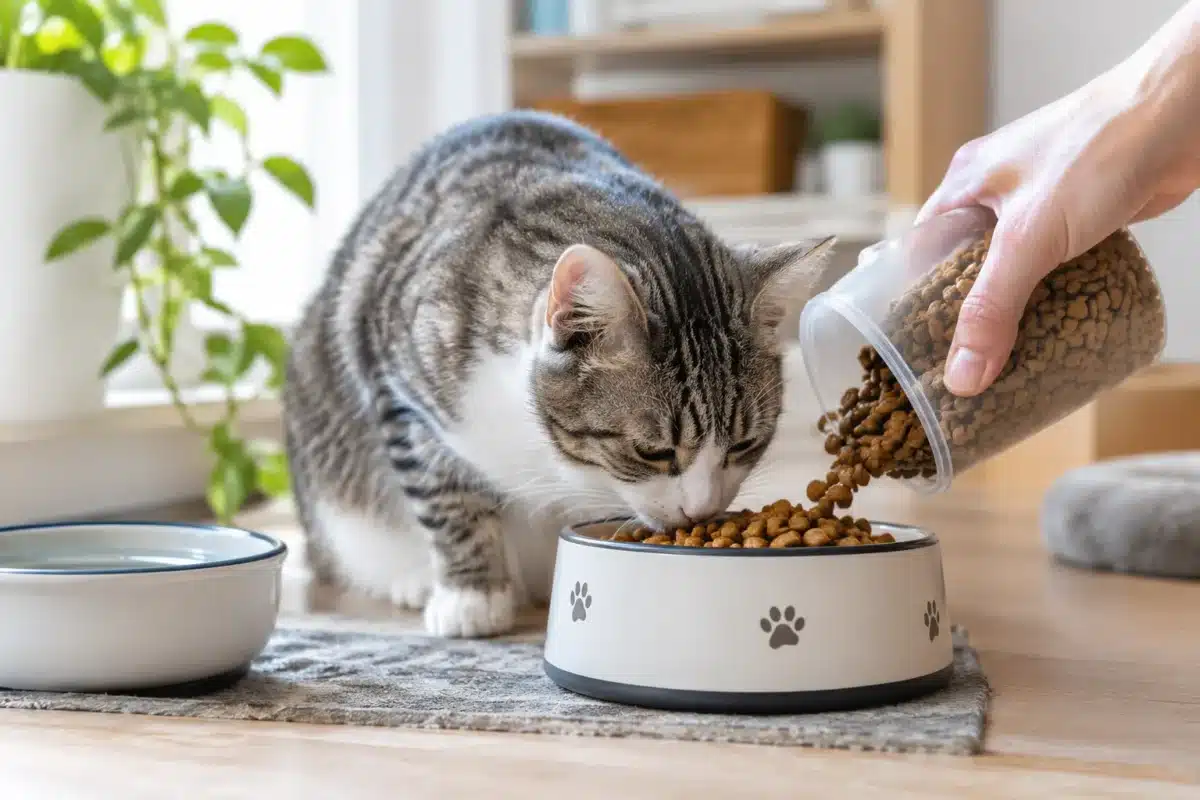
- Measure every meal. Use a kitchen scale or a marked scoop.
- Switch foods gradually. Mix the new food with the old over 7 to 10 days to avoid stomach upset.
- Split the daily portion into two or three small meals.
- Add play. Aim for two short sessions of 10 to 15 minutes each day.
- Weigh your cat every two weeks. Safe weight loss is slow and steady.
Mistakes to Avoid
- Crash dieting: Rapid weight loss can cause serious liver problems in cats.
- Free-feeding: An always-full bowl makes calorie control impossible.
- Too many treats: Treats should stay a small share of the daily calories.
- Using dog food or homemade diets: Cats have unique nutritional needs, such as taurine.
Helping your cat reach a healthy weight is one of the kindest things you can do for them. The best cat food for overweight cats is one that is complete, high in protein, controlled in calories, and approved by your vet, paired with measured portions and daily play. Browse our cat food collection at The Pet Kingdom and choose a plan that suits your cat’s age, lifestyle, and taste. contact us
FAQs
1. What should I look for in low calorie cat food?
Look for named animal protein first, moderate fat, added fiber, and a “complete and balanced” statement. Check calories per serving, not just the “light” label.
2. Is wet food better than dry food for weight loss?
Wet food is often better because its high moisture content helps cats feel full on fewer calories. A measured mix of both can also work well.
3. How fast should an overweight cat lose weight?
Slow and steady is safest, usually a small percentage of body weight each week. Crash diets can harm the liver, so follow your vet’s target.
4. Can I put my cat on a weight control diet without seeing a vet?
It is safer to check first, as weight gain can sometimes be linked to medical conditions. Your vet will set the right calorie target and food type.
5. How much should I feed my overweight cat each day?
It depends on your cat’s ideal weight, age, and the food’s calorie content. Follow the label as a starting point and adjust with your vet’s guidance.