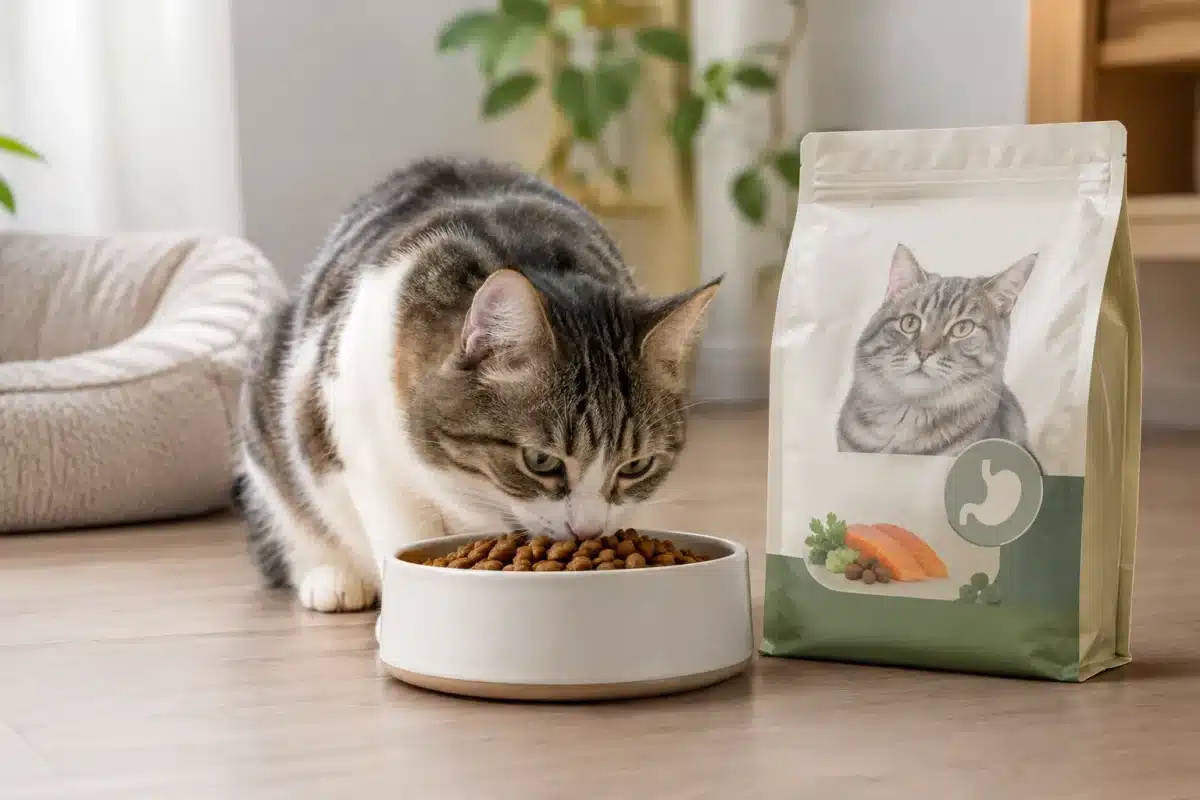
Cats are curious creatures, and their curiosity often extends to your dinner plate. Those big, pleading eyes can make it tempting to share a bite of your meal with your feline friend. But before you offer that piece of chicken or slice of cheese, it is essential to know which foods cats can eat safely and which ones could be dangerous. While commercial cat food should form the foundation of your cat’s diet, there are many human foods that cats can enjoy as occasional treats. Understanding which foods cats can eat is not just about spoiling your pet—it is about keeping them safe and healthy. This comprehensive guide will walk you through safe human foods, foods to avoid, and how to incorporate treats responsibly into your cat’s diet. At The Pet Kingdom, we are committed to helping you make informed choices about your cat’s nutrition.
Why Cats Have Unique Dietary Needs
Before exploring which human foods are safe, it is important to understand that cats are obligate carnivores. This means their bodies are biologically designed to thrive on a diet primarily consisting of animal protein. Unlike dogs or humans, cats have specific nutritional requirements that can only be met through animal-based sources.
Key Nutritional Requirements for Cats:
- Taurine: An essential amino acid found only in animal tissue. Deficiency can cause blindness and heart problems.
- Arachidonic Acid: A fatty acid essential for cats that is found in animal fats.
- Vitamin A: Cats cannot convert beta-carotene from plants into vitamin A, so they need preformed vitamin A from animal sources.
- High Protein: Cats require significantly more protein than dogs or humans.
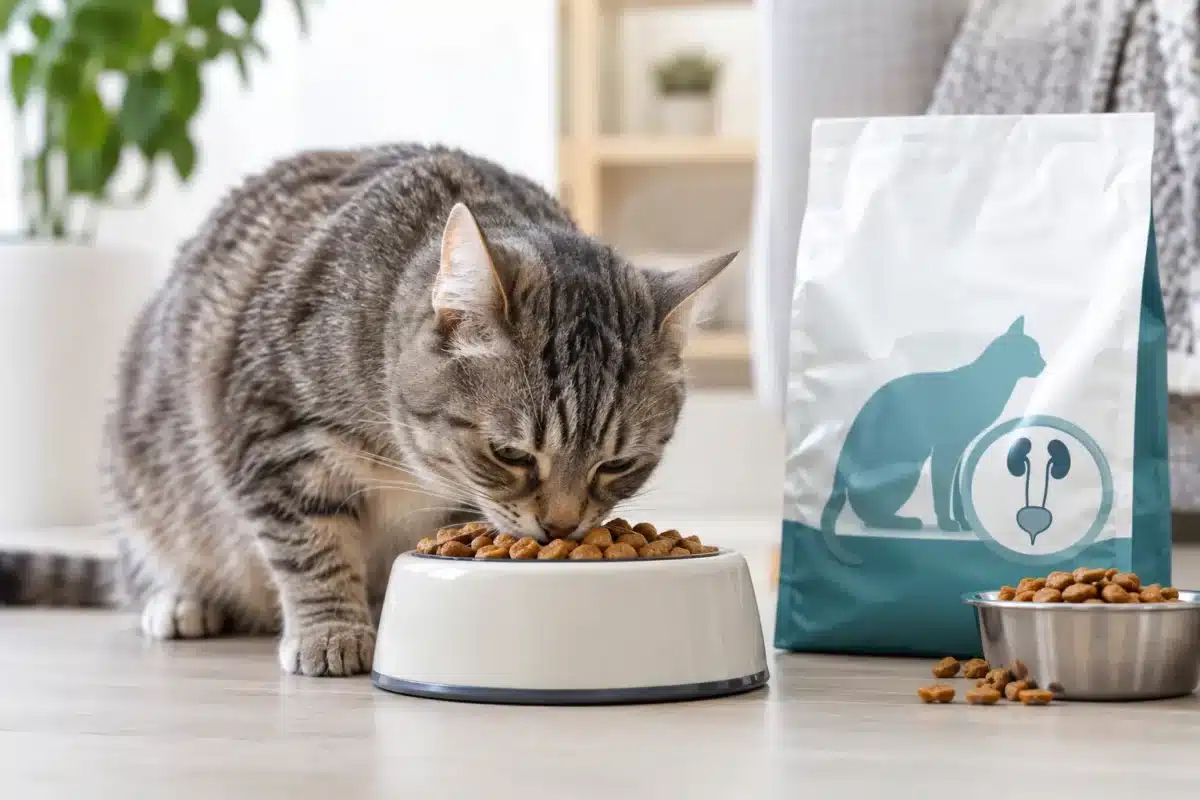
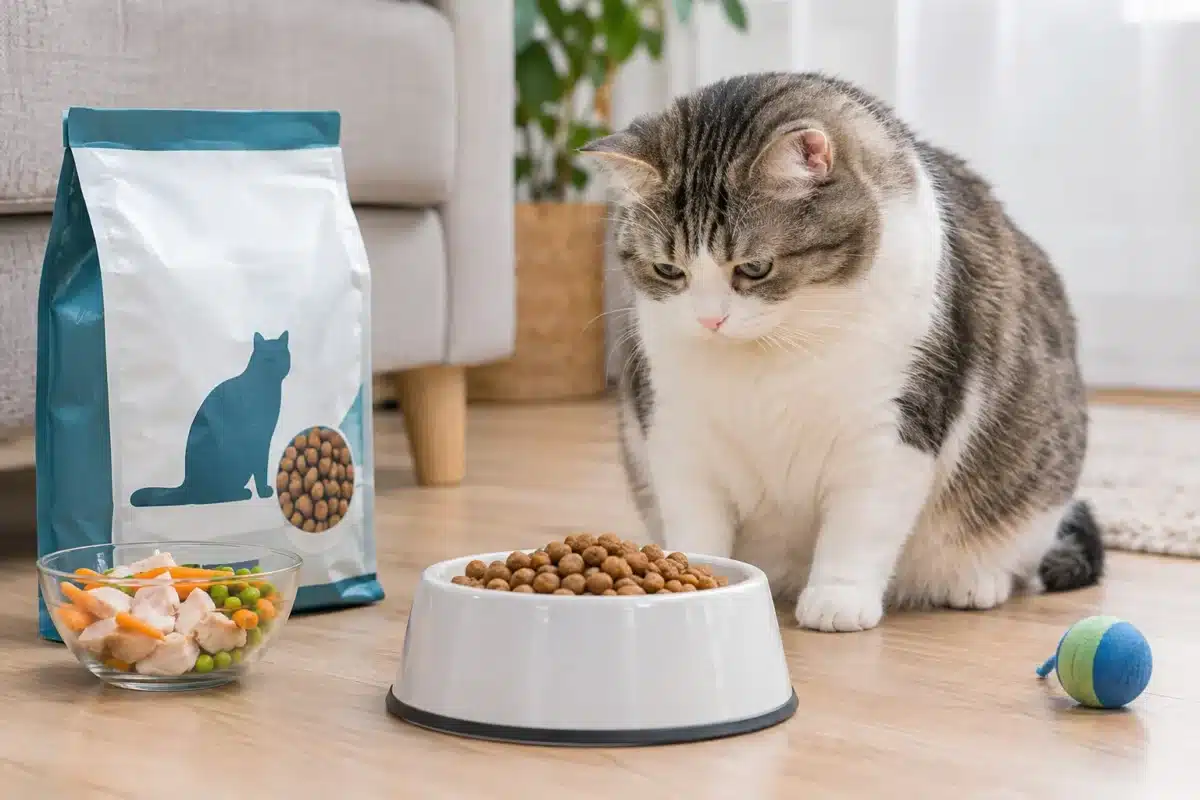
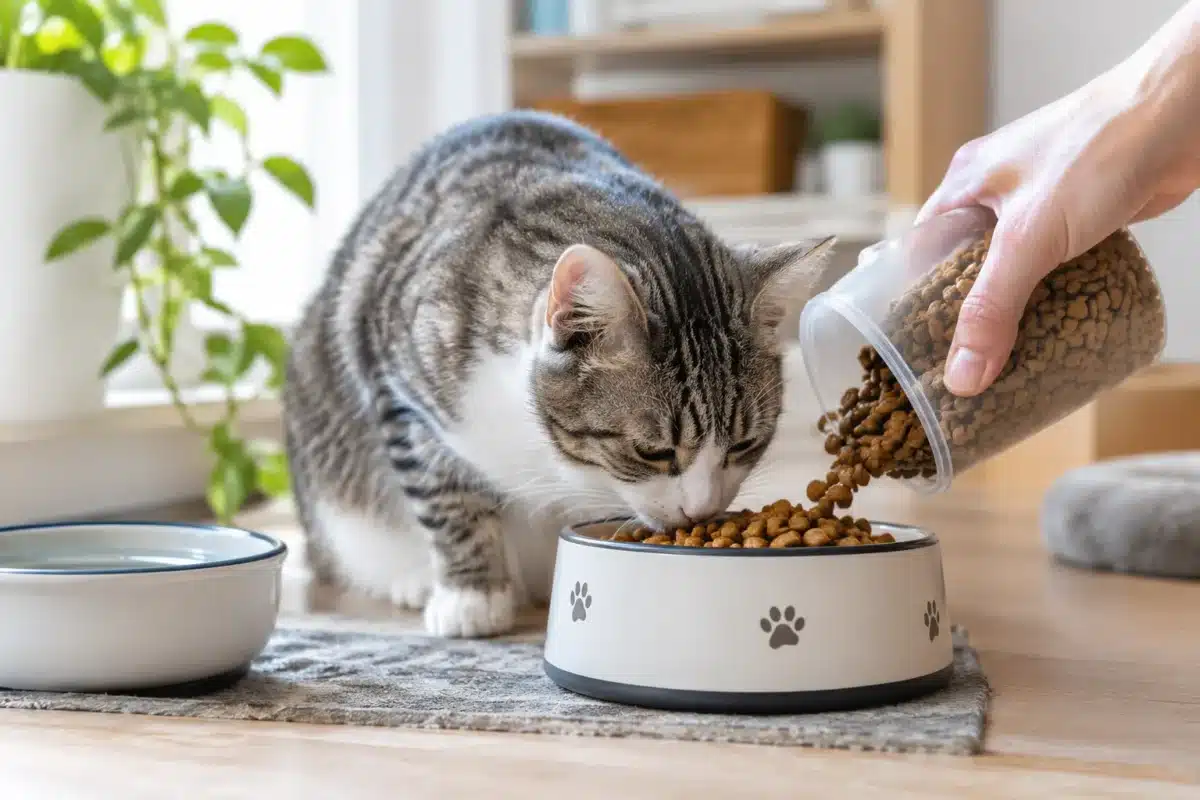
Because of these unique needs, human foods should only supplement a balanced commercial diet, never replace it. Knowing how much food your cat should eat per day ensures they receive the proper balance of nutrients without overfeeding.
What Are Some Safe Human Foods Cats Can Eat?
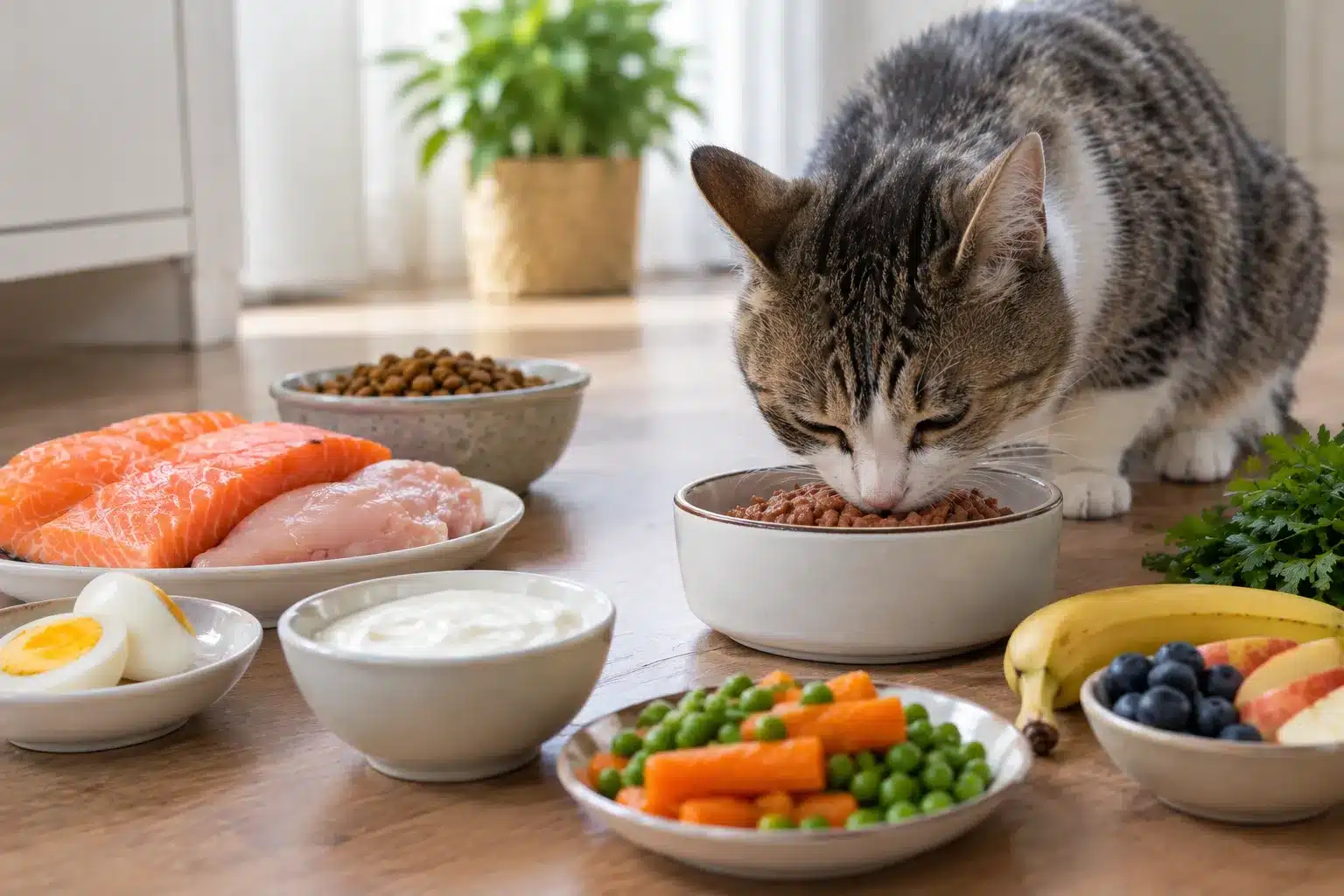
Many human foods are perfectly safe for cats in small, occasional amounts. These can be used as treats or to add variety to your cat’s diet.
Safe Proteins:
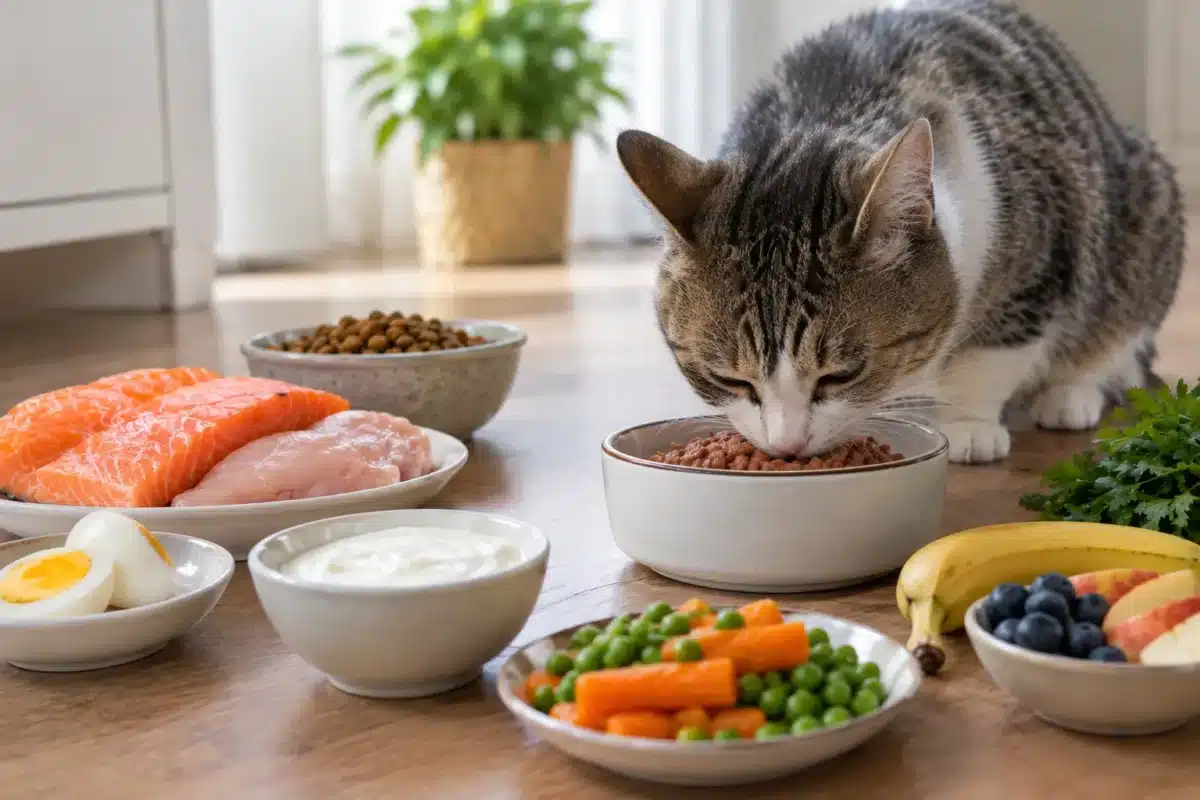
- Cooked Chicken: Plain, boiled, or baked chicken without bones, skin, or seasoning is an excellent protein source.
- Cooked Turkey: Same guidelines as chicken—plain and unseasoned.
- Cooked Beef: Lean, plain beef in small amounts.
- Cooked Fish: Salmon, tuna, and sardines in moderation. Avoid raw fish.
- Eggs: Cooked eggs are safe and nutritious. Never feed raw eggs.
Safe Vegetables:
- Cooked Carrots: Soft-cooked and cut into small pieces.
- Pumpkin: Plain, cooked pumpkin is excellent for digestion.
- Peas: Cooked and mashed.
- Green Beans: Cooked and chopped.
- Broccoli: Small amounts, cooked.
Safe Fruits:
- Blueberries: Rich in antioxidants, safe in small amounts.
- Watermelon: Seedless pieces without rind.
- Cantaloupe: Small pieces without seeds or rind.
- Banana: Small pieces as an occasional treat.
- Apple: Seedless pieces without the core.
Can Cats Eat Cooked Chicken and Rice?
Yes, cooked chicken and rice is one of the safest and most commonly recommended human food combinations for cats. In fact, veterinarians often recommend a bland diet of boiled chicken and rice for cats recovering from digestive upset.
How to Prepare Chicken and Rice for Cats:
- Chicken: Boil plain chicken breast with no salt, oil, or seasoning. Shred into small pieces.
- Rice: Cook plain white rice without salt or butter.
- Ratio: Mix approximately 1 part chicken to 2 parts rice.
- Portion: Offer small amounts as a temporary diet or treat.
This combination is gentle on the stomach and provides easily digestible protein and carbohydrates.
Can I Feed My Cat Certain Dairy Products?
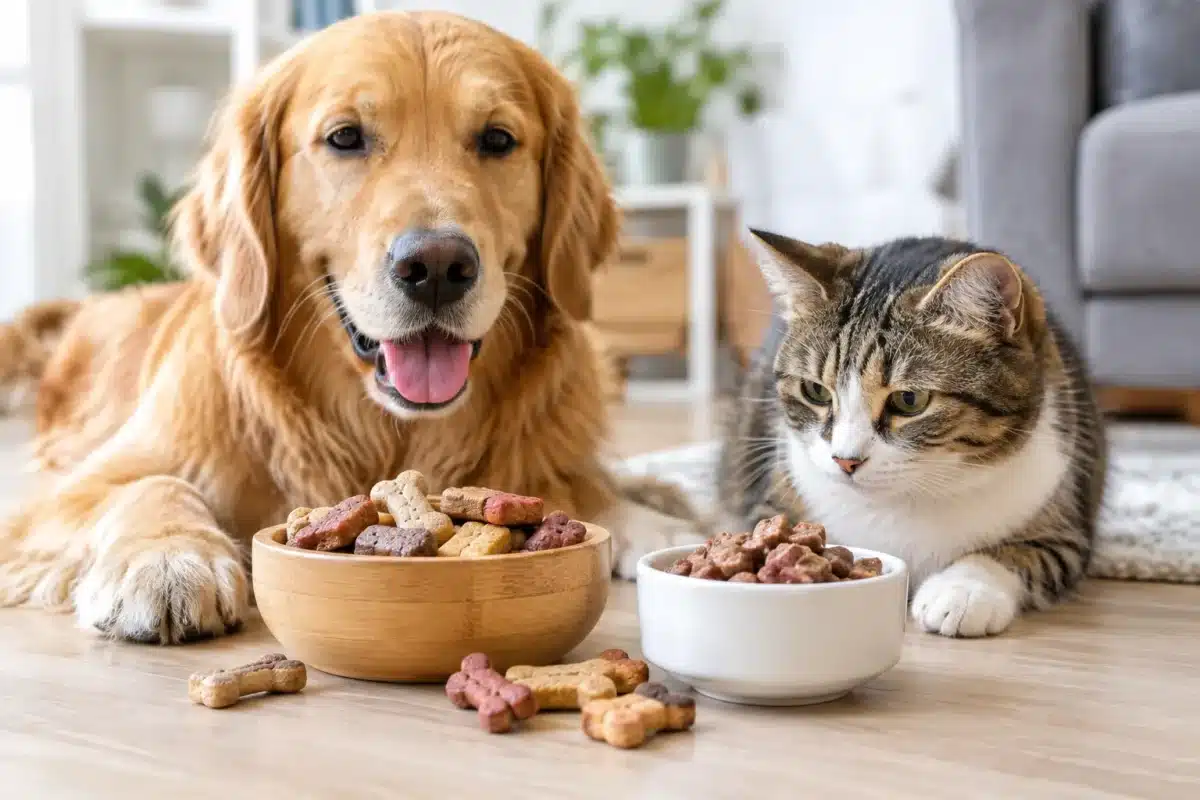
Dairy is a tricky area. Many cats are lactose intolerant, meaning they cannot properly digest the lactose in milk and other dairy products. Feeding dairy to a lactose-intolerant cat can cause diarrhea, vomiting, and stomach upset.
Dairy Products to Avoid:
- Cow’s Milk: Most cats cannot digest it properly.
- Cheese: High in fat and lactose; only tiny amounts of hard cheese occasionally.
- Ice Cream: Contains sugar and lactose; never feed to cats.
- Yogurt: Some cats tolerate plain yogurt, but it is not recommended.
If you want to give your cat a dairy treat, look for lactose-free cat milk products specifically designed for felines. At The Pet Kingdom, we offer cat-safe treats and milk alternatives. contact us
List of Fruits Cats Can Safely Consume
While cats do not need fruits in their diet, some fruits are safe as occasional treats.
Safe Fruits for Cats:
- Blueberries: Antioxidant-rich, safe in small quantities.
- Strawberries: Cut into small pieces, remove stems.
- Watermelon: Seedless, rind-free pieces.
- Cantaloupe: Small, seedless pieces.
- Apple: Seedless, core-free pieces.
- Banana: Small pieces, high in potassium.
- Mango: Small, peeled pieces without the pit.
Fruits to Avoid:
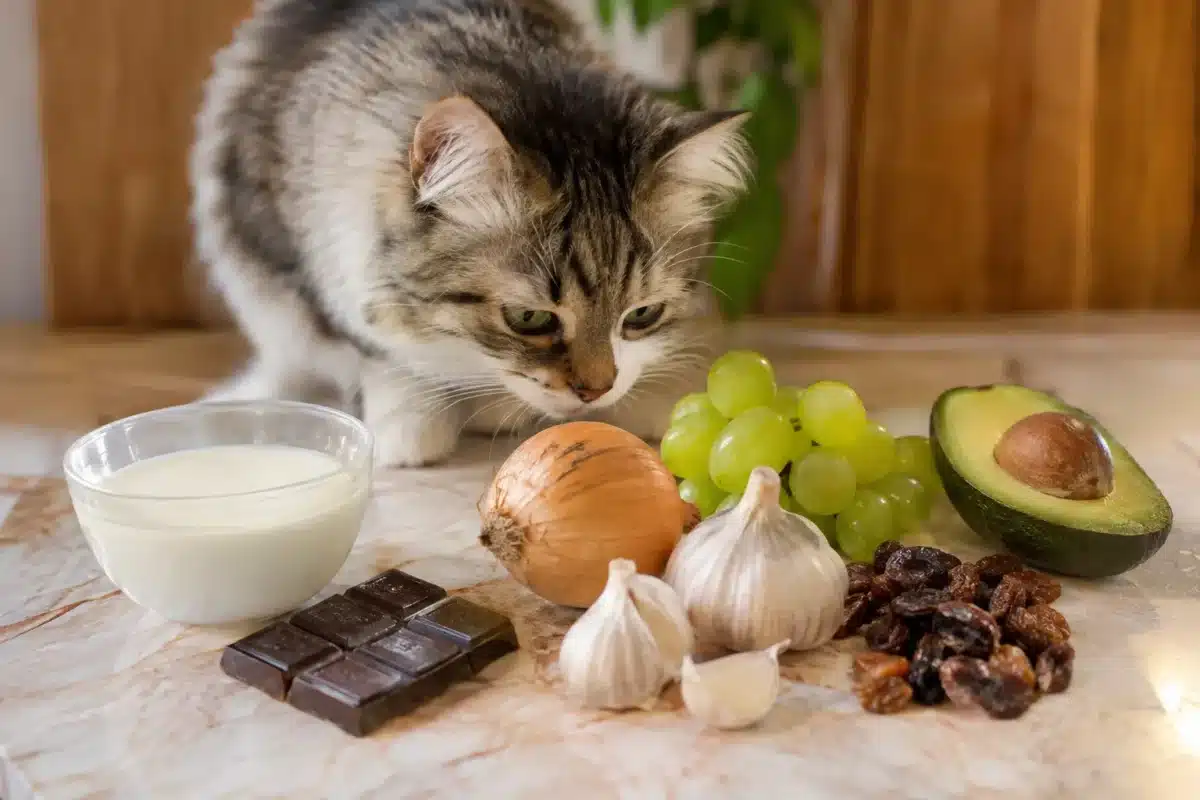
- Grapes and Raisins: Highly toxic to cats, can cause kidney failure.
- Citrus Fruits: Oranges, lemons, and limes can cause digestive upset.
- Cherries: Can be toxic due to cyanide content in pits and leaves.
- Avocado: Contains persin, which can be toxic to cats.
Are Vegetables a Good Addition to a Cat’s Diet?
Vegetables are not a natural part of a cat’s diet, but small amounts of certain cooked vegetables can provide additional fiber and nutrients. They should never replace protein sources.
Safe Vegetables for Cats:
- Pumpkin: Excellent for digestion, plain and cooked.
- Carrots: Cooked and cut into small pieces.
- Peas: Cooked and mashed.
- Green Beans: Cooked and chopped.
- Broccoli: Small amounts, steamed.
- Spinach: Small amounts, cooked (avoid if your cat has kidney issues).
What Common Household Foods Are Toxic to Cats?
Knowing which foods are dangerous is just as important as knowing which are safe. Some common household foods can be highly toxic to cats.
Toxic Foods to Avoid:
- Chocolate: Contains theobromine, which is toxic to cats.
- Onions and Garlic: Can damage red blood cells and cause anemia.
- Grapes and Raisins: Can cause kidney failure.
- Alcohol: Extremely toxic, even in small amounts.
- Caffeine: Can cause rapid heart rate, tremors, and seizures.
- Raw Fish and Meat: Can contain harmful bacteria and parasites.
- Raw Eggs: Can contain salmonella and avidin, which interferes with biotin absorption.
- Xylitol: An artificial sweetener that can cause liver failure.
- Macadamia Nuts: Can cause tremors and paralysis.
Which Pet Stores in Egypt Sell Cat-Friendly Snack Brands?
Finding cat-friendly snacks in Egypt is easier than ever. At The Pet Kingdom, we offer a wide selection of cat treats made with natural ingredients that are safe and healthy for your feline friend. Our products include:
- Freeze-Dried Treats: Single-ingredient treats made from chicken, fish, or liver.
- Dental Treats: Designed to support oral health.
- Soft Chews: Easy to eat and highly palatable.
- Lactose-Free Cat Milk: A safe alternative to cow’s milk.
Where to Buy Organic Cat Treats Suitable for Egyptian Cats?
Organic cat treats are becoming increasingly popular among Egyptian cat owners who want to provide the best for their pets. At The Pet Kingdom, we stock organic treats that are free from artificial preservatives, colors, and flavors. Our selection includes options made with natural ingredients suitable for the Egyptian climate.we carefully select high-quality commercial cat food that meets these criteria, ensuring your cat gets safe, nutritious meals
List of Popular Commercial Cat Foods That Include Natural Ingredients Safe for Cats
When choosing commercial cat food, look for brands that prioritize natural ingredients and avoid artificial additives.
Features of Natural Cat Foods:
- Named Protein Sources: Chicken, salmon, turkey, or lamb as the first ingredient.
- No Artificial Preservatives: Avoid BHA, BHT, and ethoxyquin.
- No Artificial Colors or Flavors: Natural is always better.
- Whole Food Ingredients: Real fruits, vegetables, and grains.
At The Pet Kingdom, we carefully select cat foods that meet these criteria, ensuring your cat gets safe, nutritious meals.
Safe Treats for a Happy, Healthy Cat
Understanding which foods cats can eat empowers you to treat your feline friend safely. While commercial cat food should always be the foundation of their diet, occasional safe human foods can add variety and enrichment. Always introduce new foods slowly, in small amounts, and monitor your cat for any adverse reactions. Visit The Pet Kingdom for a wide selection of cat-safe treats and high-quality cat foods, with fast delivery across Egypt.
FAQs
1. What are some safe human foods cats can eat?
Safe human foods for cats include plain cooked chicken, turkey, beef, cooked eggs, pumpkin, carrots, peas, blueberries, watermelon, and small pieces of banana.
2. Can cats eat cooked chicken and rice?
Yes, plain boiled chicken and rice is one of the safest human food combinations for cats and is often recommended by veterinarians for cats with digestive upset.
3. Can I feed my cat dairy products?
Most cats are lactose intolerant, so avoid dairy. If you want to give a dairy treat, choose lactose-free cat milk specifically designed for felines.
4. What common household foods are toxic to cats?
Toxic foods for cats include chocolate, onions, garlic, grapes, raisins, alcohol, caffeine, raw fish, raw eggs, xylitol, and macadamia nuts.
5. Where can I buy cat-friendly snacks in Egypt?
You can buy cat-friendly snacks online from The Pet Kingdom, which offers a wide selection of natural treats, including freeze-dried options, with fast delivery across Egypt.