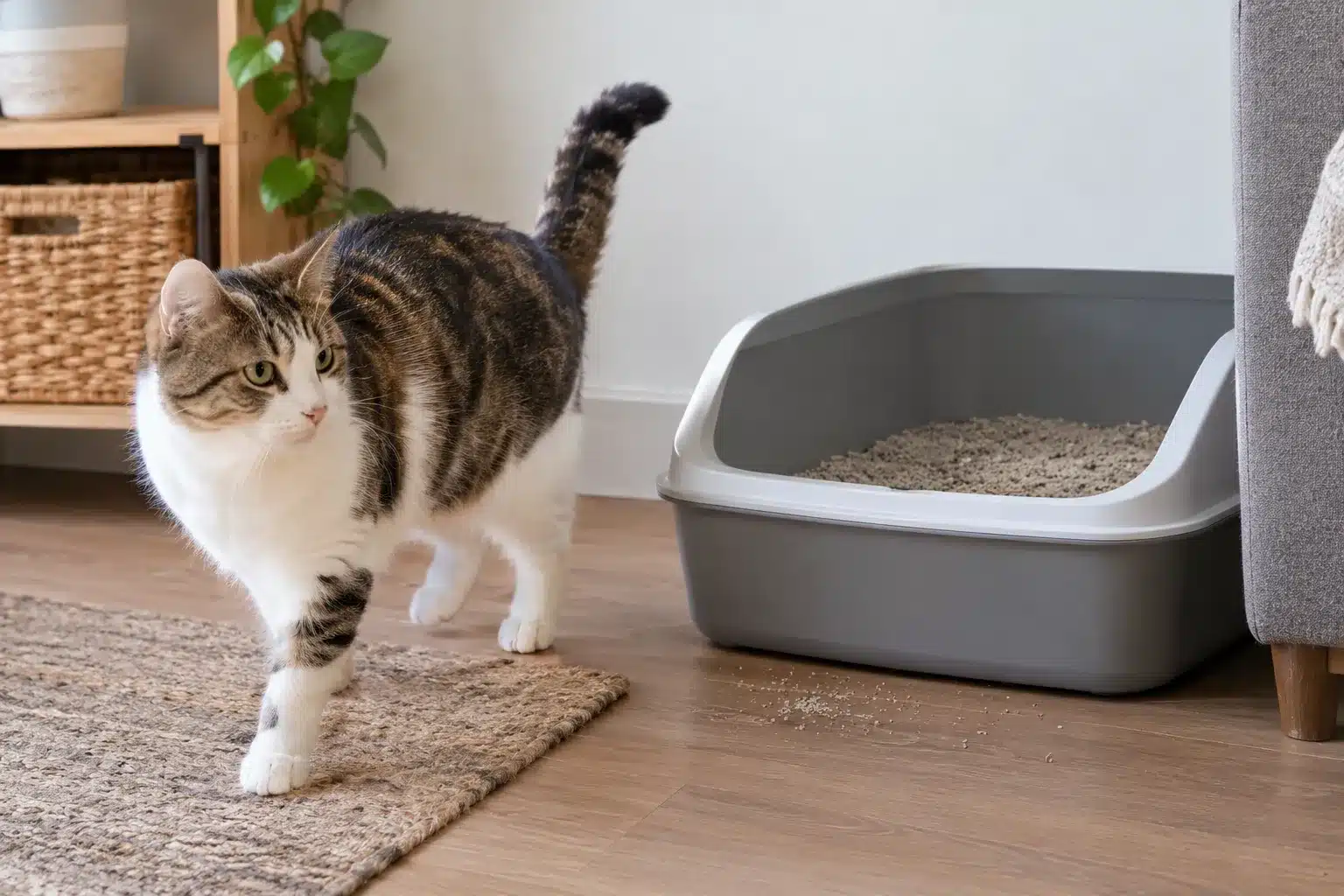
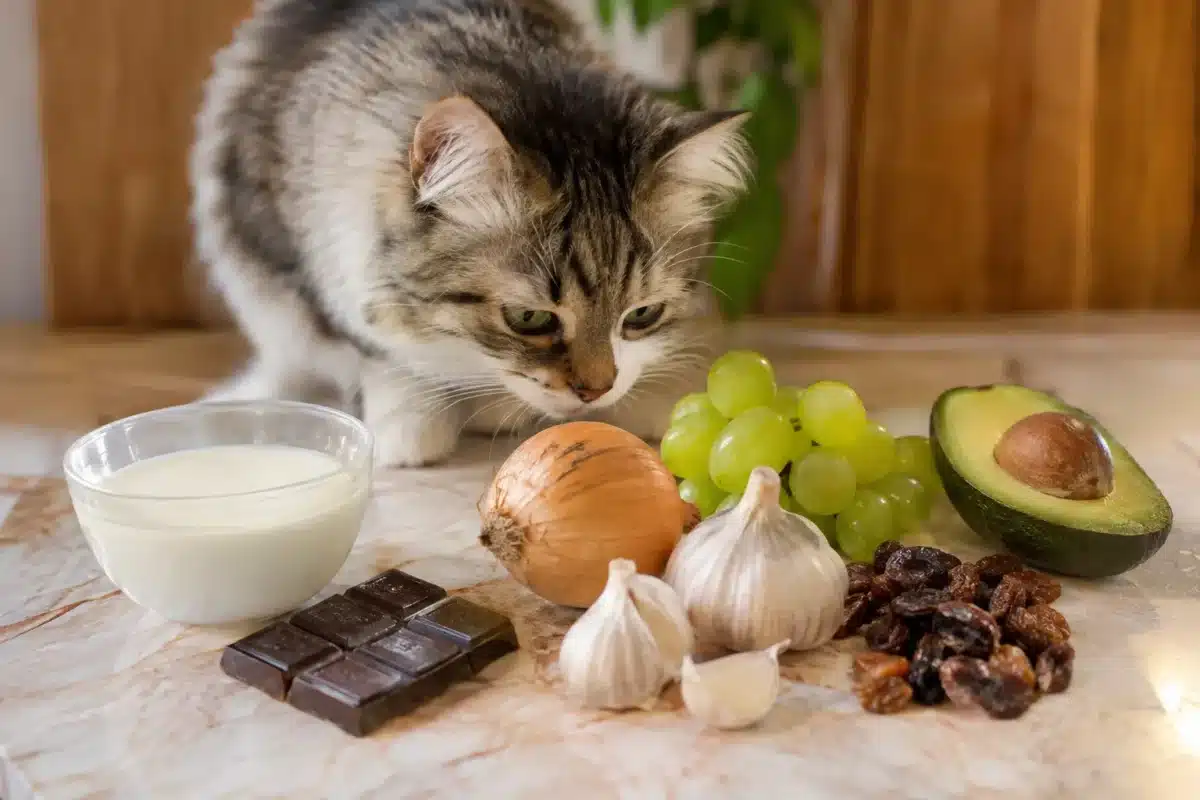
Few things are more frustrating for a cat owner than discovering a puddle on the carpet or a surprise deposit behind the sofa. When your cat not using litter box becomes a recurring problem, it is easy to feel frustrated or even angry. However, it is crucial to understand that this behavior is rarely spiteful or a sign of stubbornness. In most cases, your cat is trying to communicate something important about their health, environment, or emotional state. This comprehensive guide will help you uncover the root causes of litter box avoidance and provide practical solutions to restore harmony in your home. At The Pet Kingdom, we understand these challenges and offer products designed to support your cat’s bathroom habits.
Why Is My Cat Not Using the Litter Box?
Litter box avoidance is one of the most common behavioral complaints among cat owners. Understanding the underlying reason is the first step toward finding a solution. The causes generally fall into three categories: medical, environmental, and behavioral.
Medical Causes
Health issues are the most critical factor to rule out first. If your cat is suddenly avoiding the litter box, a veterinary visit should be your priority.
- Urinary Tract Infections (UTIs): Painful infections cause frequent urination and a sense of urgency, leading cats to associate the litter box with discomfort.
- Feline Lower Urinary Tract Disease (FLUTD): This condition encompasses various bladder and urethral problems, often causing pain, straining, and blood in the urine.
- Kidney Disease: Older cats with kidney issues may urinate more frequently and in larger volumes.
- Arthritis: Painful joints can make it difficult for senior cats to climb into a high-sided litter box.
- Diabetes: This condition causes increased thirst and urination.
Environmental Causes
Cats are particular about their bathroom environment. Small changes can trigger avoidance.
- Dirty Litter Box: Cats are fastidious and may refuse to use a box that is not cleaned regularly.
- Litter Type Dislike: A sudden change in litter texture or scent can be off-putting.
- Box Location: A box placed in a noisy, high-traffic area or near food and water can deter use.
- Insufficient Number of Boxes: The general rule is one box per cat, plus one extra.
- High-Sided Boxes: Senior or arthritic cats may struggle to enter.
- Negative Association: A scary experience (like a loud noise) while using the box can create lasting fear.
Behavioral Causes
Stress and anxiety often manifest as litter box avoidance.
- Changes in Routine: Moving, new furniture, or a new baby can unsettle your cat.
- New Pet or Family Member: Introducing a new animal or person can cause territorial stress.
- Bullying: In multi-cat households, one cat may guard the litter box, preventing others from using it.
- Marking Behavior: Unneutered cats may spray to mark territory.
Why Is My Cat Suddenly Peeing Outside the Litter Box?
A sudden change in behavior, especially in a cat that has always used the box reliably, is a red flag. Sudden peeing outside the box often points to an acute medical issue or a recent stressful event. If your cat is straining, crying, or producing only small amounts of urine, seek veterinary care immediately. These can be signs of a life-threatening urinary blockage, particularly in male cats.
If medical causes are ruled out, consider what has changed recently in your home. Even subtle changes like a new air freshener or rearranged furniture can trigger anxiety in sensitive cats.
Best Litter Box Types for Cats That Avoid the Box Frequently
Choosing the right litter box can make a significant difference for cats with litter box aversion. At The Pet Kingdom, we offer a variety of litter box options to suit different needs.
Recommended Litter Box Types:
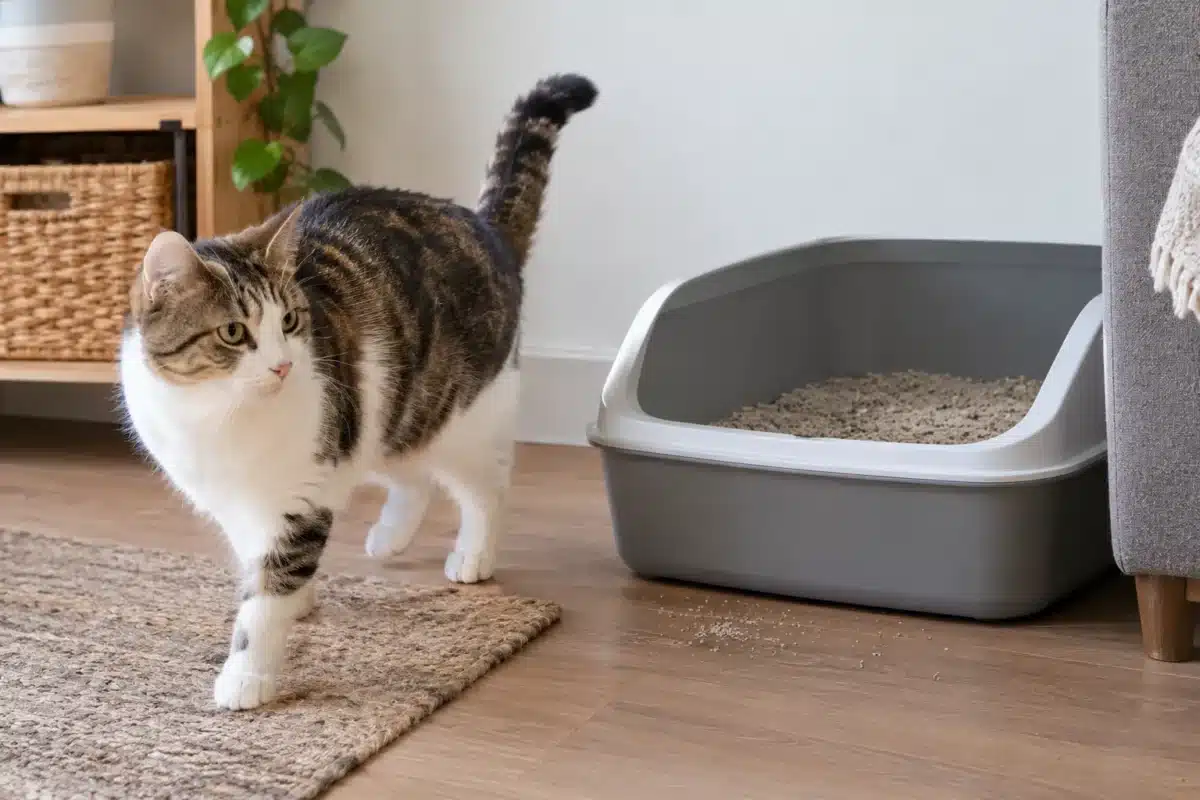
- Open Litter Boxes: Simple, low-sided boxes that are easy to access and clean.
- High-Sided Boxes with Low Entry: Provide privacy while accommodating senior or arthritic cats.
- Covered Litter Boxes: Offer privacy but may trap odors, which can deter some cats.
- Automatic Self-Cleaning Litter Boxes: Ideal for busy owners, these boxes automatically scoop waste, keeping the box consistently clean.
What Are the Best Types of Cat Litter for Sensitive Paws?
The texture of cat litter matters. Some cats have sensitive paws and may refuse certain litters.
Litter Options for Sensitive Paws:
- Fine-Grain Clumping Litter: Soft and gentle on paws, similar to sand.
- Pellet Litter: Made from recycled paper or wood, these are soft and low-dust.
- Unscented Litter: Avoids irritating fragrances that can bother sensitive cats.
Where Can I Buy Automatic Self-Cleaning Litter Boxes in Egypt?
Automatic self-cleaning litter boxes are a game-changer for owners who want to ensure their cat always has a clean box. These devices automatically rake or sift waste after each use, reducing odor and maintenance.
At The Pet Kingdom, we offer automatic self-cleaning litter boxes designed to keep your cat’s bathroom pristine. Our selection includes models with adjustable cleaning cycles, odor control features, and quiet operation. With fast delivery across Egypt, upgrading your cat’s bathroom experience is just a click away.
Where Can I Find Effective Cat Urine Odor Remover Spray in Cairo?
Accidents happen, and when they do, thorough cleaning is essential to prevent repeat offenses. Standard household cleaners are not enough; you need an enzymatic cleaner specifically designed to break down cat urine.
At The Pet Kingdom, we stock effective cat urine odor remover sprays that neutralize odors at the source. Our enzymatic cleaners break down the uric acid crystals in cat urine, eliminating the smell and discouraging your cat from returning to the same spot. contact us
Top-Rated Cat Litter Brands for Cats with Litter Box Issues
Some litters are better than others at attracting cats and minimizing avoidance.
Features of Cat-Friendly Litters:
- Unscented: Fragrances can be overwhelming for cats.
- Low Dust: Dusty litters can irritate respiratory systems.
- Soft Texture: Fine-grain litters mimic natural sand.
- Excellent Clumping: Easy scooping keeps the box clean.
Our collection at The Pet Kingdom includes top-rated cat litters that are soft, unscented, and highly effective at odor control.
Symptoms of Feline Lower Urinary Tract Disease
Recognizing the signs of FLUTD is crucial for your cat’s health.
Common Symptoms:
- Straining to urinate
- Crying out while urinating
- Frequent trips to the litter box with little output
- Blood in the urine
- Urinating outside the box
- Excessive licking of the genital area
- Lethargy or loss of appetite
If you notice any of these symptoms, contact your veterinarian immediately. FLUTD can become life-threatening if left untreated.
How to Train a Cat to Use the Litter Box Again After Accidents
Retraining a cat to use the litter box requires patience and consistency.
Step-by-Step Retraining:
- Rule Out Medical Issues: Consult your vet first.
- Clean All Accidents Thoroughly: Use an enzymatic cleaner.
- Confine Your Cat: Keep them in a small room with the litter box initially.
- Make the Box Inviting: Use unscented litter, keep it clean, and place it in a quiet location.
- Reward Success: Praise and treat your cat when they use the box.
- Add More Boxes: Provide multiple options in different locations.
How to Thoroughly Clean Cat Pee from Hardwood Floors
Cat urine can seep into hardwood floors, causing stains and persistent odors.
Cleaning Steps:
- Blot Immediately: Absorb as much urine as possible.
- Use an Enzymatic Cleaner: Apply generously and let it sit.
- Avoid Ammonia-Based Cleaners: These can attract cats back to the spot.
- Seal the Area: After cleaning, consider applying a sealant to protect the wood.
Restoring Litter Box Harmony
When your cat not using litter box becomes a problem, it is a signal that something needs attention. By addressing medical issues, optimizing the litter box environment, and reducing stress, you can guide your cat back to healthy bathroom habits. Visit The Pet Kingdom for all your litter box needs, from self-cleaning boxes to enzymatic cleaners and cat-friendly litter. With the right products and a little patience, you can restore peace to your home.
FAQs
1. Why is my cat suddenly peeing outside the litter box?
Sudden litter box avoidance often indicates a medical issue like a UTI or stress from environmental changes. A vet visit is recommended to rule out health problems first.
2. What are the best litter box types for cats that avoid the box?
Open, low-sided boxes are often best for cats with aversion issues, as they are easy to access and do not trap odors like covered boxes can.
3. Where can I buy automatic self-cleaning litter boxes in Egypt?
You can buy automatic self-cleaning litter boxes online from The Pet Kingdom, which offers a variety of models with fast delivery across Egypt.
4. What are the symptoms of feline lower urinary tract disease?
Symptoms include straining to urinate, crying while urinating, frequent trips with little output, blood in urine, and urinating outside the litter box.
5. How do I clean cat pee from hardwood floors?
Blot immediately, apply an enzymatic cleaner generously, avoid ammonia-based products, and consider sealing the area after cleaning to protect the wood.