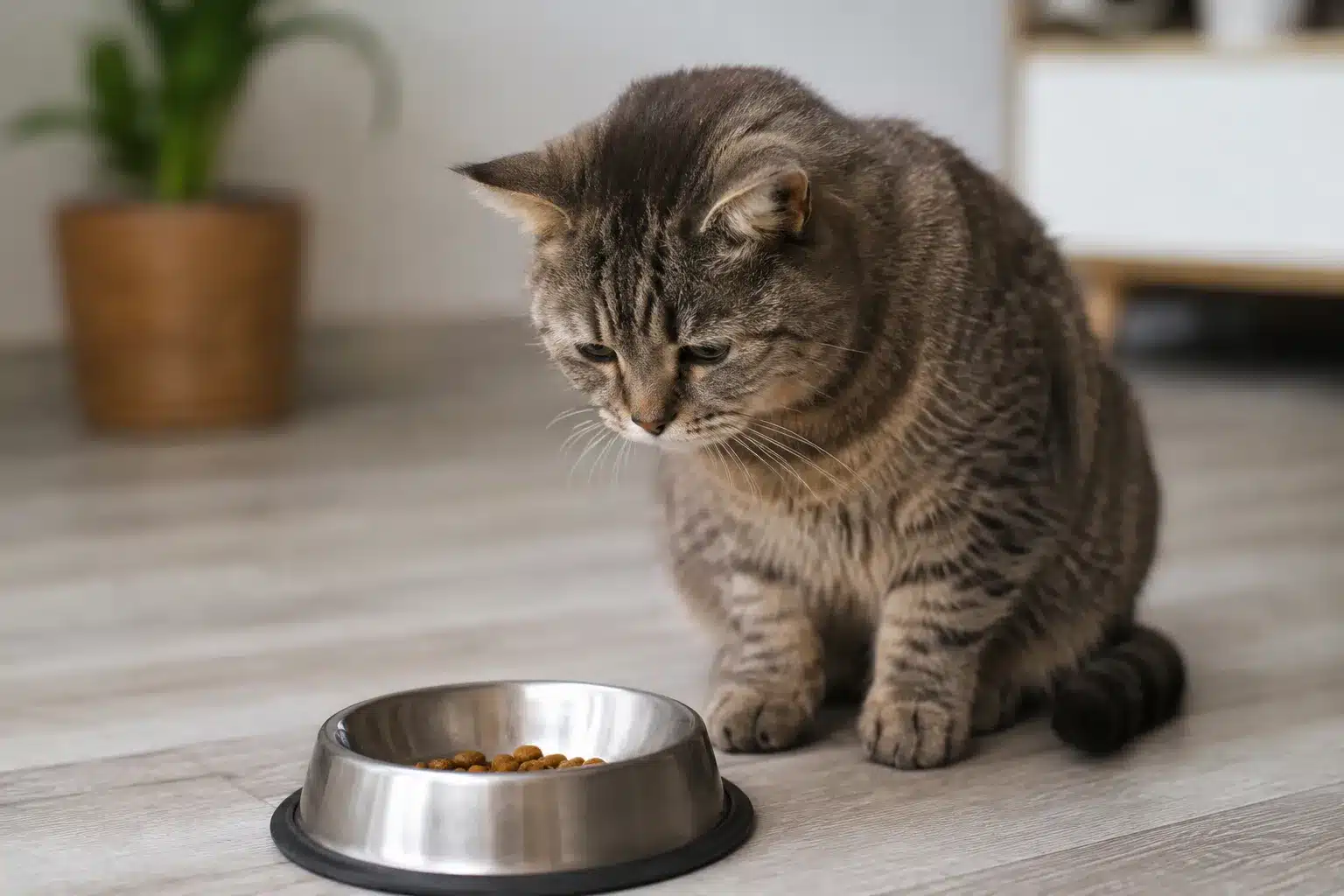
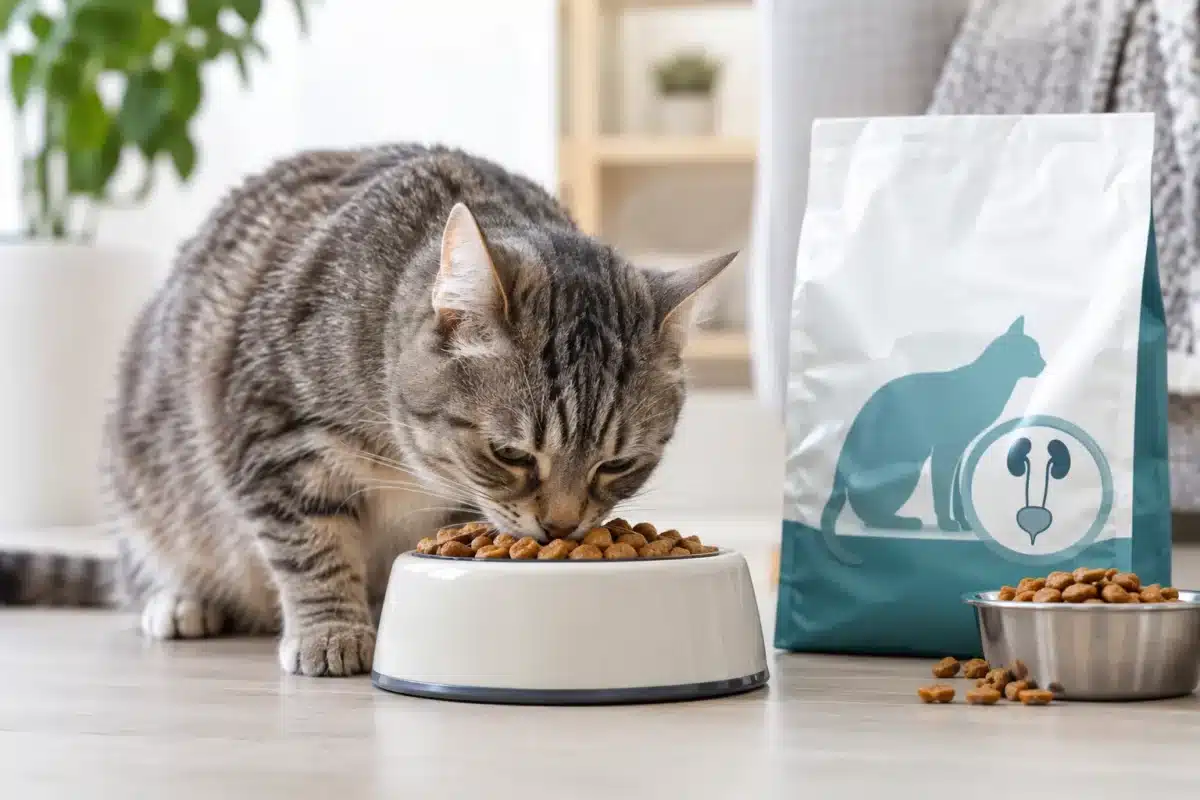
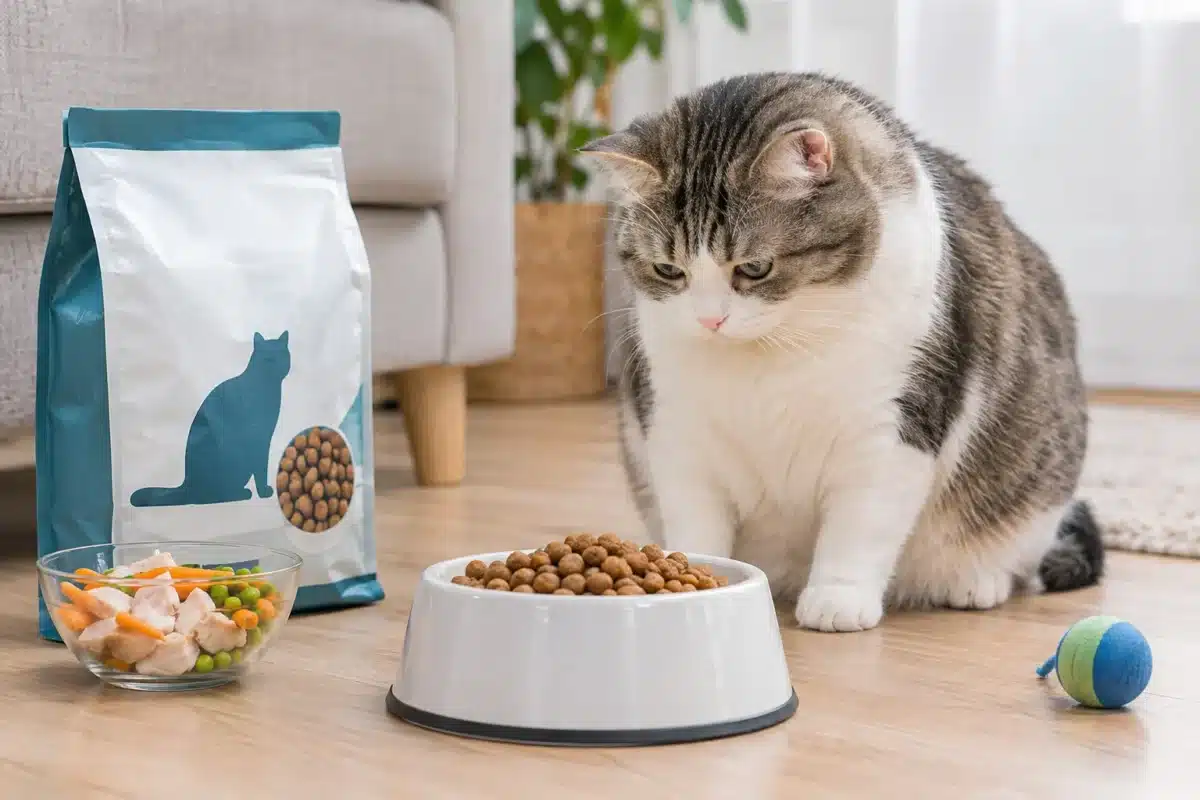
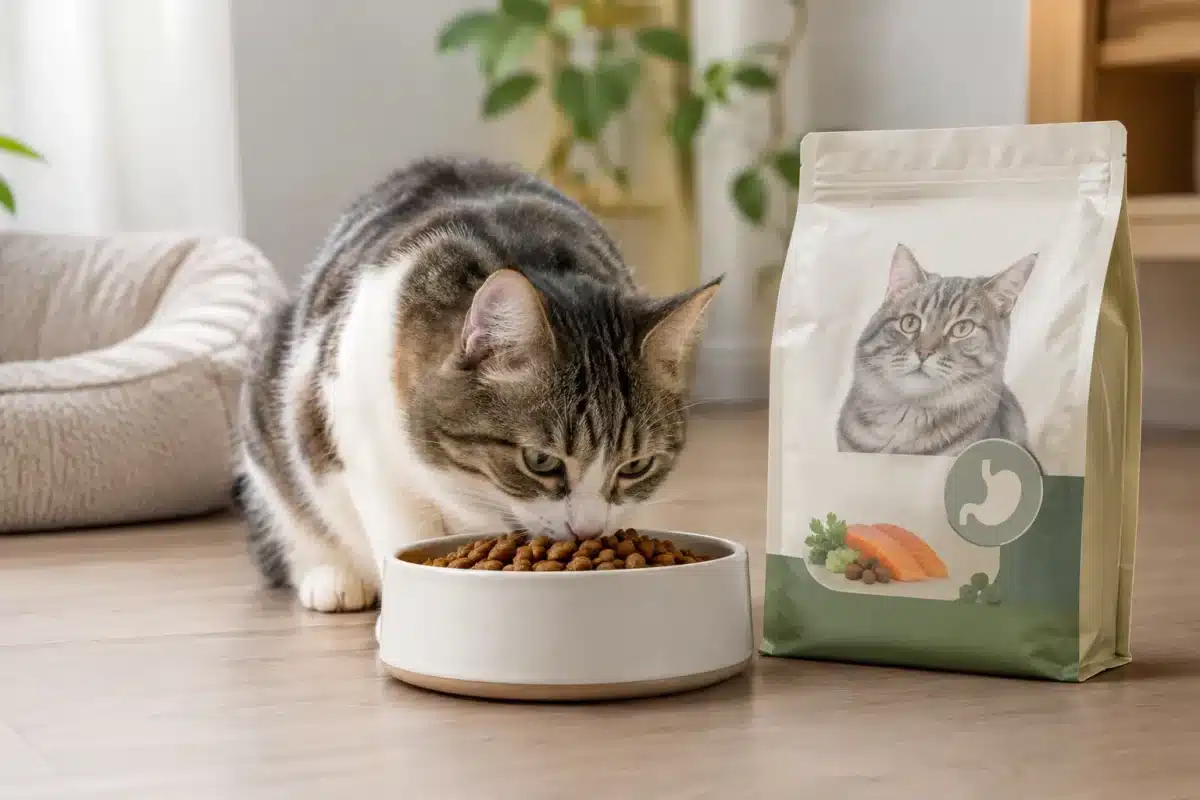
One of the most worrying moments for any cat owner is when their feline friend refuses food. The question “why my cat is not eating” sends a wave of anxiety through any devoted pet parent’s mind. As an obligate carnivore, your cat’s body requires a constant supply of nutrients to function properly, and loss of appetite is more than just fussy behavior – it is a serious warning sign that demands attention. At The Pet Kingdom, we understand the deep bond you share with your cat. This guide will help you understand the reasons behind appetite loss and how to act wisely.
Understanding the Severity of a Cat Refusing Food
When you find yourself asking why your cat is not eating, your concern is completely justified. A cat’s body is biologically designed to process protein continuously. When a cat stops eating, even for a short period, their body begins breaking down fat stores for energy. This is an efficient process, but in cats, it carries a unique and dangerous risk. The sudden mobilization of fat can overwhelm their liver, leading to hepatic lipidosis, a potentially fatal condition. This reality makes understanding the urgency of why my cat is not eating vital.
Moreover, the longer a cat goes without food, the more their digestive system slows down. When they finally start eating, they may vomit because their system is in “shut down” mode. This is why knowing why my cat is not eating is the first step to preventing a vicious cycle of illness and starvation.
Common Medical Reasons Why My Cat Is Not Eating
There are many underlying health issues that answer the question why is my cat not eating. These range from minor to severe and should always be investigated by a vet.
Dental Issues and Oral Pain
Dental disease is a silent culprit. Gingivitis, tooth resorption, and stomatitis cause severe pain. When a cat associates eating with pain, asking why is my cat not eating becomes obvious. They may approach the bowl, sniff the food, and then walk away.
Kidney Disease
Chronic kidney disease is common in older cats. It causes nausea, mouth ulcers, and a buildup of toxins that suppress the appetite. For a senior cat, this is a frequent answer to why my cat is not eating.
Gastrointestinal Problems
Gastroenteritis, pancreatitis, or constipation can cause nausea and abdominal pain. A gut issue directly answers why is my cat not eating, as they instinctively avoid food that triggers discomfort.
Upper Respiratory Infections
A cat with a stuffy nose cannot smell their food. Since cats rely heavily on their sense of smell to eat, a blocked nose directly leads to asking why is my cat not eating.
Stress and Anxiety
Stress is a leading cause. Changes in the environment, new family members, or loud noises can lead to psychological anorexia. The question of why is my cat not eating is often answered by a disruption to their routine.
How Long Can a Cat Go Without Eating?
This is a critical question. While a cat can survive a few days without water, they cannot go for more than 24-48 hours without food without risking serious health issues. If your cat hasn’t eaten for 24 hours, a vet visit is necessary. Prolonged lack of food leads to the dangerous hepatic lipidosis mentioned earlier. This urgency is why monitoring your cat’s eating habits is essential.
What to Do to Encourage Your Cat to Eat
While a vet trip is essential, there are immediate steps you can take to encourage your cat to eat.
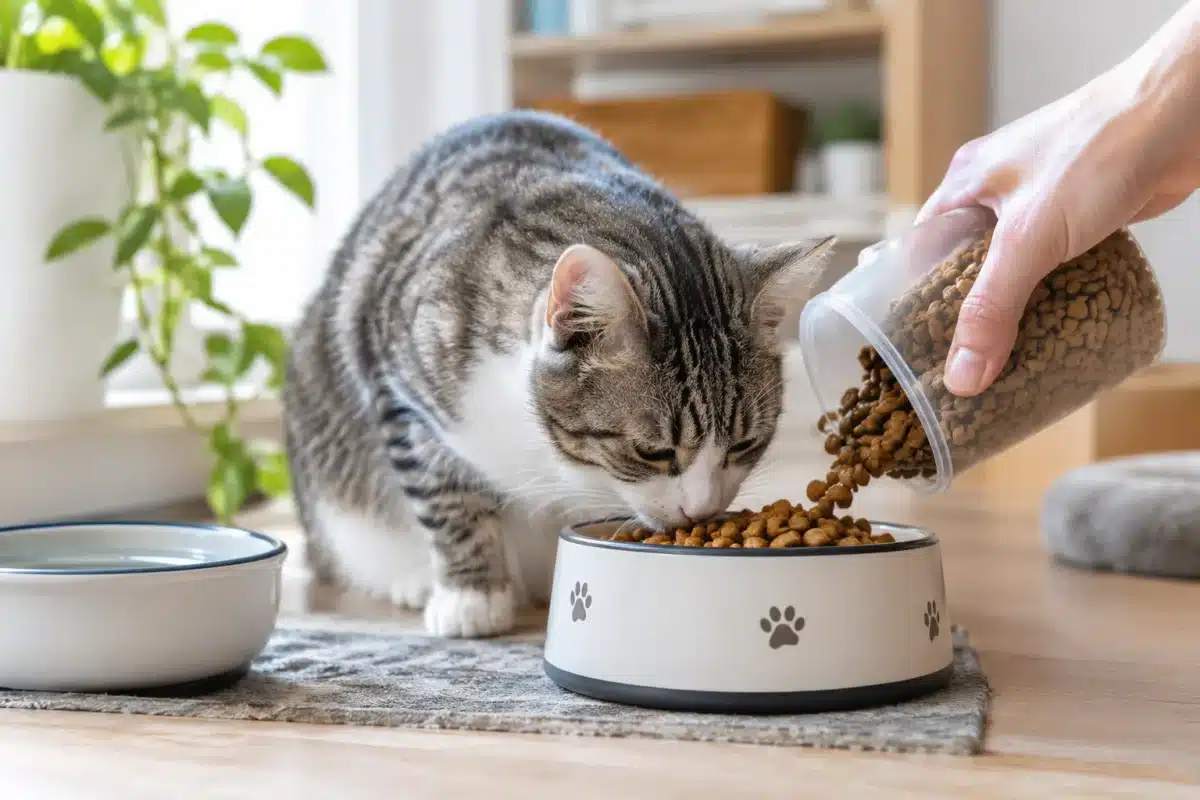
- Switch to Wet Food: Wet food is often more fragrant and palatable. It also provides hydration, which is crucial. Products like Royal Canin Instinctive or Hill’s Science Diet Adult are excellent choices.
- Warm the Food: Warming food enhances the aroma, making it more enticing.
- Offer Specialized Products: At The Pet Kingdom, we stock special products like Purina Pro Plan Hydra Care to support hydration and Royal Canin Recovery to meet the needs of a cat with a reduced appetite.
- Reduce Stress: Ensure their eating area is quiet, peaceful, and away from other pets.
- Hand-Feeding: Sometimes, a little personal attention can persuade them to eat.
Top Products at The Pet Kingdom to Encourage Appetite
At The Pet Kingdom, we offer a range of high-quality products designed to support a cat’s health, even when they are not eating well. If you’re wondering why is my cat not eating, these products can be a helpful step alongside veterinary advice.
Royal Canin Recovery Wet Food
This is a highly palatable, energy-dense food specifically designed for cats recovering from illness or surgery. It is easy to digest and has a texture that is appealing to cats with a reduced appetite.
Hill’s Prescription Diet a/d
This formula is another excellent choice for encouraging eating. It has a soft, stew-like texture and a strong aroma that is irresistible to many cats.
Purina Pro Plan Veterinary Diets Hydra Care
Dehydration goes hand-in-hand with not eating. This supplement provides water and nutrients to support kidney function and overall hydration.
When to See the Vet Immediately
If your cat shows any of these signs, call your vet immediately:
- Lethargy
- Vomiting
- Diarrhea
- Yellowing of the eyes or gums
- Hiding for prolonged periods
Do not wait. Remember, asking why my cat is not eating is the beginning of a process. Your prompt action can save your cat’s life. Many of the foods and supplements that can help support your cat during this time are available at The Pet Kingdom, making it easy to provide the extra care your cat needs. contact us
FAQs
1. Why is my senior cat suddenly refusing food?
Senior cats often stop eating due to dental pain, kidney disease, or hyperthyroidism; a vet visit is essential to diagnose the specific cause.
2. What are common medical reasons a cat stops eating?
Common medical reasons include dental disease, kidney issues, pancreatitis, and upper respiratory infections that affect their sense of smell.
3. How long can a cat safely go without eating?
A cat should not go without food for more than 24-48 hours; prolonged fasting risks a serious liver condition called hepatic lipidosis.
4. When should I take my cat to the vet if it's not eating?
You should take your cat to the vet immediately if they have not eaten for 24 hours, especially if they show signs of lethargy, vomiting, or jaundice.
5. What kind of specialized wet food encourages a cat to eat?
Recovery diets like Royal Canin Recovery and Hill's Prescription Diet a/d are highly palatable and nutritionally dense to entice sick cats to eat.