
Blog
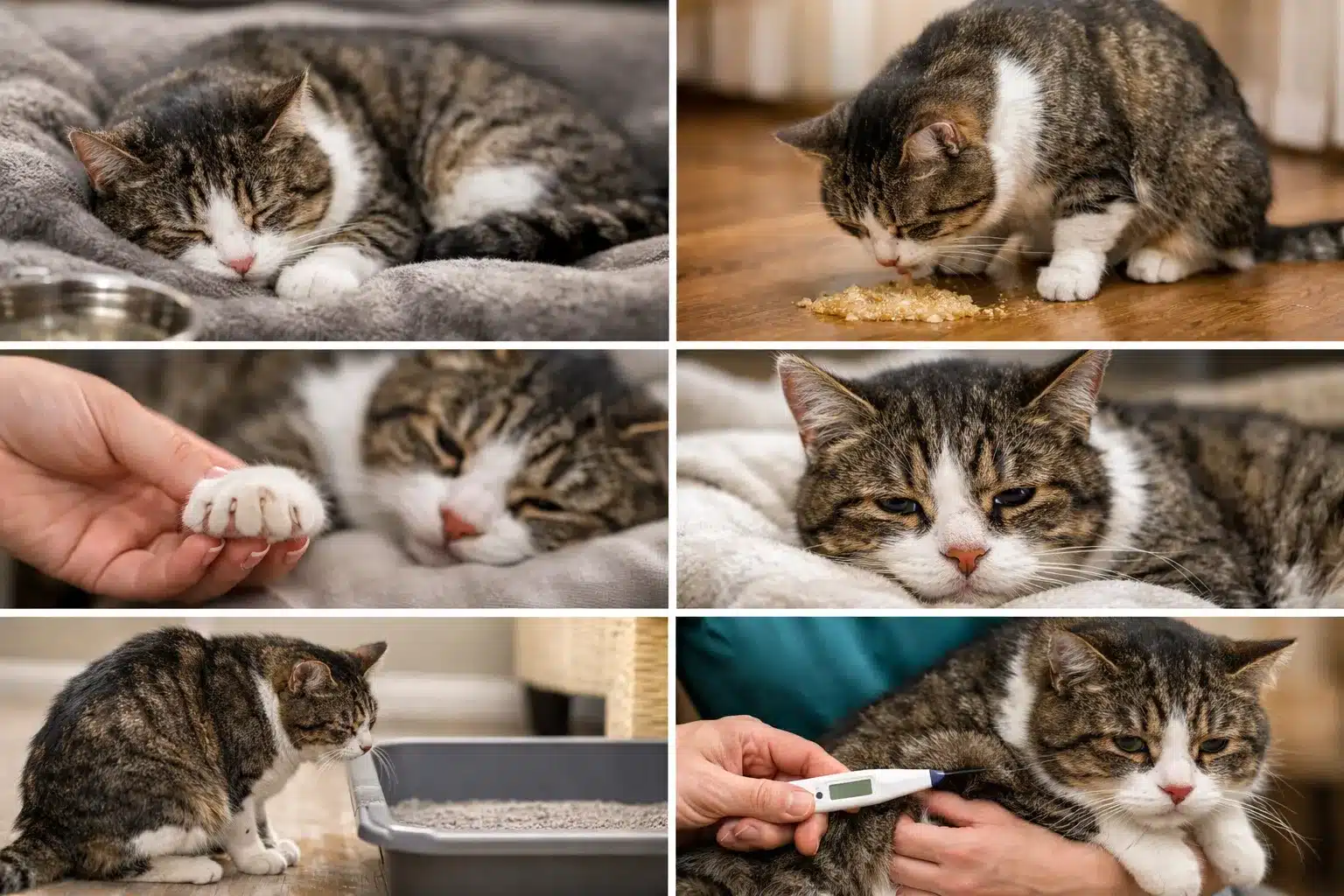
8 Signs your cat is sick: how to tell if your cat is unwell

Cats are masters of disguise. In the wild, showing weakness makes an animal vulnerable to predators. This instinct remains strong in our domestic cats, which means they often hide symptoms until they are seriously ill. As a responsible cat owner, knowing the signs your cat is sick can mean the difference between a quick recovery and a life-threatening emergency. At The Pet Kingdom, we believe that informed pet parents provide the best care. This comprehensive guide will help you recognize the subtle and obvious signs your cat is sick so you can act quickly and get your feline friend the help they need.
Why Cats Hide Illness: Understanding Feline Behavior
Before we dive into specific symptoms, it is important to understand why cats conceal discomfort. Unlike dogs, who may whine or seek attention when unwell, cats instinctively hide pain. This behavior served their wild ancestors well, but it challenges modern pet owners. You must become a detective in your own home. Learning the early signs your cat is sick requires paying attention to small changes in routine, behavior, and appearance. A cat that suddenly stops jumping onto their favorite window perch or starts hiding under the bed may be sending you a critical message.
Physical Signs Your Cat Is Sick: What to Look For
Changes in Eating and Drinking Habits
One of the most obvious signs your cat is sick involves their appetite and thirst. A healthy cat maintains consistent eating patterns. If your cat suddenly refuses food for more than 24 hours, this is a medical emergency. Conversely, increased thirst and urination can indicate diabetes, kidney disease, or hyperthyroidism. Measure your cat’s water intake when possible. Drinking from faucets or shower floors may seem quirky, but it can also signal underlying illness.
Unexplained Weight Loss or Gain
Weight changes are critical signs your cat is sick, even if eating habits appear normal. Rapid weight loss suggests conditions like hyperthyroidism, diabetes, or cancer. Weight gain, especially if accompanied by a bloated abdomen, could indicate fluid buildup from heart disease or organ failure. Weigh your cat monthly at home using a bathroom scale (weigh yourself, then hold your cat and subtract). Keep a log to share with your veterinarian.
Changes in Litter Box Habits
Urinating outside the litter box, straining to urinate, bloody urine, or producing very small amounts frequently are serious signs your cat is sick. Male cats straining to urinate require immediate emergency care—a urethral blockage can kill a cat in less than 48 hours. Similarly, diarrhea or constipation lasting more than two days warrants a vet visit. Never assume litter box avoidance is “behavioral” without first ruling out medical causes.
Respiratory Signs
Sneezing, coughing, wheezing, or nasal discharge are common signs that your cat is sick with upper respiratory infections. However, open-mouth breathing or panting in cats is always abnormal and constitutes an emergency. Unlike dogs, cats do not pant to cool down. If your cat breathes with their mouth open, seek immediate veterinary care. Also watch for rapid breathing, blue-tinged gums, or exaggerated abdominal effort while breathing.
Vomiting and Diarrhea
Occasional hairballs are normal, but frequent vomiting is not. Vomiting more than twice per month, vomiting bile or blood, or vomiting accompanied by lethargy are concerning signs that your cat is sick. Diarrhea lasting more than 48 hours causes dehydration, especially dangerous for kittens and senior cats. Never administer human medications like Pepto-Bismol or Imodium to cats—many are toxic.
Behavioral Signs Your Cat Is Sick
Hiding and Changes in Social Interaction
Cats who suddenly hide under beds, inside closets, or behind furniture are displaying classic signs that your cat is sick. A normally social cat becoming withdrawn or an aloof cat becoming excessively clingy both warrant attention. Pain causes cats to avoid handling. If your cat previously enjoyed petting but now flinches, hisses, or walks away, suspect underlying discomfort.
Changes in Grooming Habits
Cats are fastidious groomers. A healthy cat spends up to 50% of their waking hours grooming. A matted, greasy, or unkempt coat is one of the most reliable signs your cat is sick. Dental pain, arthritis, or obesity can make grooming painful or difficult. Conversely, over-grooming leading to bald patches or sores indicates stress, allergies, or skin conditions. Check your cat’s nails—failure to shed old claw sheaths suggests your cat is not extending claws normally.
Vocalization Changes
Excessive meowing, yowling, or crying—especially at night—can be signs your cat is sick with hyperthyroidism, high blood pressure, or cognitive dysfunction in senior cats. Conversely, a normally chatty cat who becomes silent may also be unwell. Pay attention to changes in the tone, frequency, or timing of vocalizations.
Lethargy and Reduced Activity
A cat sleeping more than usual or showing little interest in play, hunting toys, or interacting with family members is displaying common signs that your cat is sick. However, lethargy is vague. Differentiate between a sleepy cat who wakes readily for treats and one who seems dull, depressed, or weak. Cats with fever often lie in hunched positions with third eyelids partially visible.
Subtle Signs Often Missed by Owners
Some signs your cat is sick are extremely subtle. Bad breath can indicate dental disease, kidney failure, or diabetes. Third eyelid protrusion (the white membrane covering part of the eye) signals illness or pain. Changes in sleeping position—a cat who suddenly sleeps with head hanging over the bed edge may have respiratory difficulty. Head pressing against walls or furniture is a neurological emergency. Even subtle changes like squinting one eye, shaking their head, or scratching one ear excessively indicate specific problems.
What to Do When You Notice Signs Your Cat Is Sick
If you observe any signs that your cat is sick, take action promptly. For non-emergency symptoms like mild vomiting or slightly reduced appetite, call your veterinarian and schedule an appointment within 24 hours. For emergency signs—open-mouth breathing, straining to urinate, suspected poisoning, seizures, or sudden inability to use legs—go to an emergency vet immediately. Never wait to “see if it gets better.” Cats deteriorate quickly.
When calling the vet, describe exactly what you observed: when symptoms started, what the cat ate, any recent changes in the home environment, and your cat’s age. Bring a fresh urine or stool sample if possible. Keep a first-aid kit and your vet’s after-hours contact information readily available.
Preventing Illness Through Proper Care
While you cannot prevent all diseases, you can reduce risks. Feed your cat high-quality nutrition appropriate for their life stage. Keep vaccinations current. Schedule annual veterinary checkups, including blood work, for senior cats. Maintain parasite prevention year-round. Provide fresh water daily and clean litter boxes regularly. Reduce stress through environmental enrichment—scratching posts, window perches, and interactive toys. At The Pet Kingdom, we offer products that support your cat’s overall wellness, from premium food to stress-reducing diffusers. Prevention and early detection work together to keep your cat healthy. Contact Us on WhatsApp
FAQs
The earliest subtle signs your cat is sick include sleeping more than usual, hiding in unusual places, slightly reduced appetite, neglecting grooming, and changes in litter box habits.
Take your cat immediately if you see open-mouth breathing, straining to urinate (especially in male cats), suspected poisoning, seizures, sudden weakness, or bleeding from any body opening.
Yes, some signs like excessive night-time yowling, restlessness, or crying often indicate hyperthyroidism, high blood pressure, or cognitive dysfunction in older cats.
Cats can deteriorate within 24 hours; any sign your cat is sick lasting more than 24 hours requires veterinary attention, and certain signs like not eating for 24 hours are an emergency.
Yes, kittens more commonly show signs like diarrhea, vomiting, or upper respiratory symptoms, while senior cats often show subtle signs like weight loss, increased thirst, or hiding. 1. What are the first subtle signs your cat is sick that owners often miss?
2. When should I take my cat to the vet immediately upon seeing signs your cat is sick?
3. Can signs your cat is sick appear only at night or during certain times?
4. How long can a cat show signs your cat is sick before it becomes an emergency?
5. Do signs your cat is sick differ between kittens and senior cats?


