
Blog
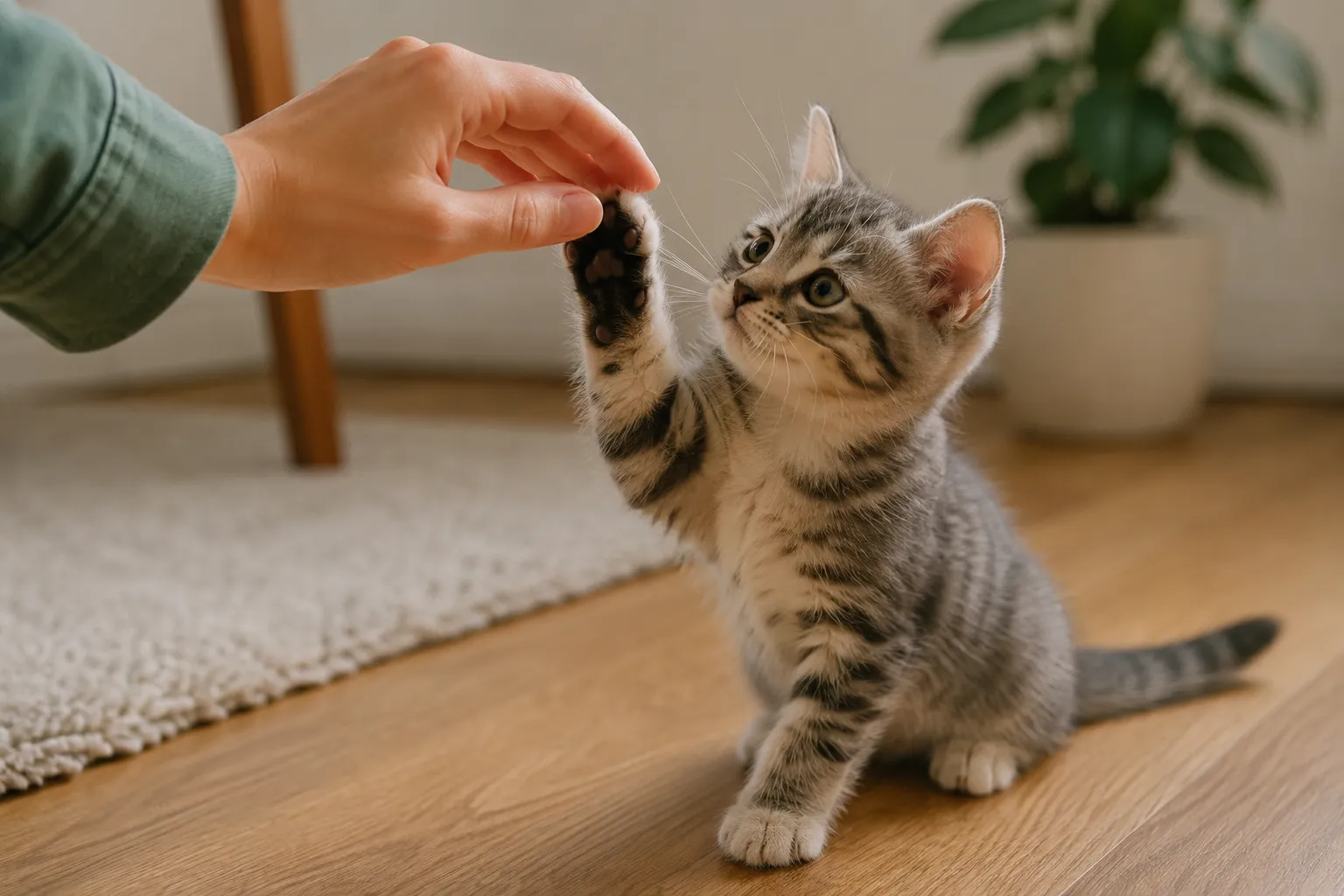
How to Train a Kitten: Easy Step-by-Step Guide for Owners

Bringing a playful new kitten into your home is one of life’s greatest joys. However, those tiny paws and sharp claws also come with boundless energy, natural curiosity, and a need for guidance. Learning how to train a kitten is not about forcing them to obey, but about building trust, providing structure, and channeling their natural behaviors in positive ways. At The Pet Kingdom, we believe that every Egyptian pet parent can raise a well-mannered cat with patience and the right approach. This comprehensive guide will walk you through the essential steps of how to train a kitten for a happy, harmonious life together.
Why Training Matters for Your Kitten’s Development
Many people assume cats are untrainable or too independent to bother with rules. This is a common misconception. The truth is, understanding how to train a kitten is crucial for their safety and your sanity. Cats are constantly learning from their environment and their interactions with you. By actively participating in this learning process, you can prevent common issues like scratching furniture, biting, and litter box avoidance. Training is a form of enrichment that reduces stress, strengthens your bond, and shapes good behavior that can last a lifetime. Kittens have just as much brain power as dogs; they simply learn differently—they need to understand “what’s in it for me?”
Getting Started: The Golden Rules of Kitten Training
Before you begin, it is helpful to understand the core principles of how to train a kitten effectively. These guidelines apply to every exercise you will try.
Use Positive Reinforcement
Positive reinforcement is the cornerstone of all effective animal training. This means rewarding the behaviors you want to see rather than punishing the ones you don’t. Never shout at your kitten, rub their face in accidents, or use a spray bottle. Such punishments create fear and stress, damage your bond, and often fail to teach the correct behavior. Instead, use high-value rewards like small treats, favorite toys, or even gentle praise and petting. The reward must be given immediately after the desired action so your kitten makes the connection. Treats are excellent motivators, but remember they should make up less than 10% of their daily calories.
Keep Sessions Short and Sweet
Kittens have incredibly short attention spans. Trying to train them for 20 minutes will only lead to frustration for both of you. When learning how to train a kitten, keep sessions brief—around 2 to 5 minutes at a time. Aim for several short sessions throughout the day rather than one long one. Always end on a positive note to keep your kitten excited for the next session.
Choose the Right Time and Place
Train when your kitten is calm, alert, and slightly hungry, such as before a meal. Avoid training when they are sleepy, full, or overstimulated. Choose a quiet area free from distractions like loud noises, other pets, or too many tempting toys. A predictable routine helps your kitten understand when it is time to focus.
Essential Skills: How to Train a Kitten Step-by-Step
Now that you understand the basics, let’s look at some foundational skills. Mastering how to train a kitten involves teaching these key behaviors.
1. Litter Box Training
Most kittens learn this quickly from their mothers. To ensure success when you start training a kitten to use the box, place the kitten in the box after meals, naps, and play sessions. Use unscented, clumping litter and keep the box clean. Never punish accidents—clean them with an enzymatic cleaner to remove odors.
2. Scratching Post Training
Scratching is natural and necessary. To teach how to train a kitten to scratch appropriately, place a sturdy post near their sleeping area. When they use it, reward them. If they scratch furniture, gently redirect them to the post.
3. Name Recognition
Start how to train a kitten to recognize their name by saying it enthusiastically when you feed them or give treats. Always pair the name with something pleasant.
4. Sit or Target Training
Teaching a simple “sit” or a target (touching your finger) is a great way to learn how to train a kitten to focus. Hold a treat near their nose, move it slightly upward, and say “sit.” Reward immediately.
5. Leash and Harness Training
Patience is key. First, let the kitten wear a harness inside for short periods, rewarding them. Then, attach the leash and let them drag it before you try walking together.
Common Mistakes to Avoid When You Train a Kitten
Even with good intentions, mistakes happen. Avoid these common pitfalls to ensure success when you train a kitten:
- Inconsistency – Everyone in the household must use the same rules and cues.
- Negative Reactions – Yelling or punishment destroys trust and inhibits learning.
- Long Sessions – Over-training leads to boredom and frustration.
- Not Tiring Them Out First – A bored, hyper kitten cannot focus.
Building a Long-Term Bond Through Training
Remember, the ultimate goal of how to train a kitten is not just about rules, but about building a strong, trusting relationship. Every session is an opportunity to communicate, understand your kitten’s unique personality, and build a connection based on mutual respect.
At The Pet Kingdom, we offer a wide selection of training treats, toys, and litter supplies to support your training journey. Visit our online store to find everything you need to make training a positive experience for both you and your new furry companion. Contact us via WhatsApp
FAQs
Always use positive reinforcement, rewarding desired behaviors with treats, toys, or praise, and never punish your kitten harshly.
Keep sessions very short, lasting only 2 to 5 minutes each, and repeat them several times a day to match your kitten's attention span.
Yes, most kittens learn quickly when placed in the box after meals, naps, and play, and when the box is kept clean and accessible.
Redirect biting and scratching onto appropriate toys immediately, and stop play if they become too rough, rewarding gentle behavior with treats and calm praise.
You can begin basic training, such as teaching your kitten its name and litter box use, as soon as you bring it home, typically at 8 weeks of age. 1. What is the most important rule when I learn how to train a kitten?
2. How long should my training sessions be when I train a kitten at home?
3. Can you train a kitten to use the litter box quickly?
4. How do I train my kitten to stop biting and scratching me?
5. When should I start training my new kitten?


