
Blog
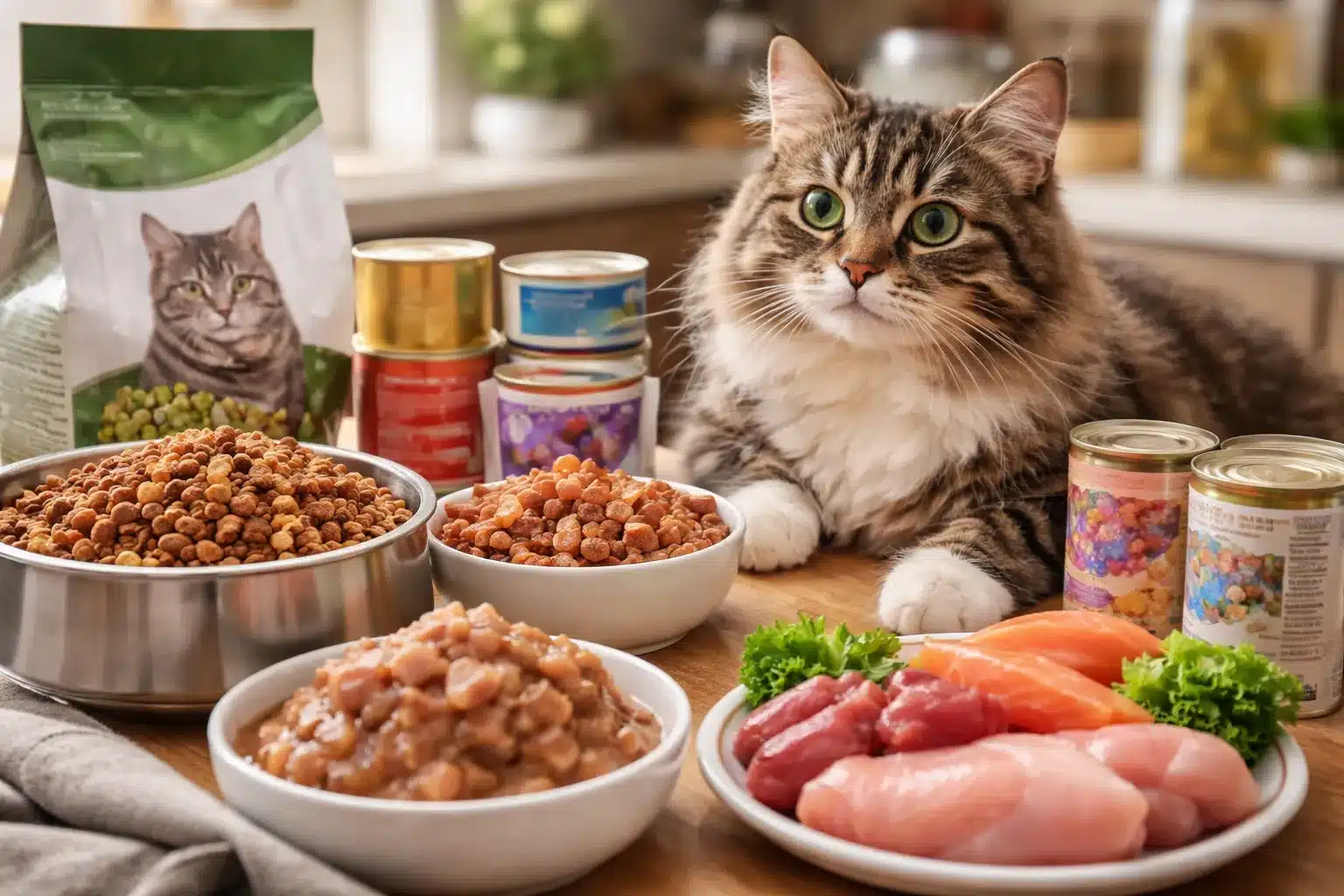
How to Choose Cat Food: A Complete Guide for Pet Owners

Walking down the pet food aisle can feel overwhelming. With hundreds of bags, cans, and pouches promising everything from shiny coats to endless energy, knowing how to choose cat food for your feline companion is one of the most important skills a cat owner can develop. At The Pet Kingdom, we believe that informed pet parents make the best decisions for their furry family members. This comprehensive guide will walk you through everything you need to know about how to choose cat food that supports optimal health and happiness.
Understanding Your Cat’s Unique Nutritional Needs
Before learning how to choose cat food, it is essential to understand what your cat actually needs. Cats are obligate carnivores, which means their diet must include nutrients exclusively found in animal-based tissues. Unlike dogs or humans, cats cannot thrive on plant-based proteins alone. They need specific amino acids like taurine, which is critical for heart and eye health, and arachidonic acid, which supports skin and coat condition. Additionally, cats have a limited ability to convert plant-based nutrients into usable forms. This biological fact should guide every decision about how to choose cat food.
A proper feline diet must provide high-quality animal protein, essential fatty acids, vitamins, minerals, and adequate moisture. Kittens, adult cats, and seniors all have different requirements. Understanding these fundamentals is the first step in mastering how to choose cat food that truly nourishes your cat.
Reading the Label: What to Look For
The ingredient list and nutritional information panel are your most valuable tools when learning how to choose cat food. Here is what to look for:
First Ingredient Matters
The first ingredient should always be a named animal protein such as chicken, turkey, salmon, or lamb. This indicates that the food contains more of that ingredient than anything else. Avoid foods where the first ingredient is corn, wheat, or by-products. When considering how to choose cat food, the quality and source of protein should be your primary concern.
Guaranteed Analysis
This section tells you the minimum percentages of protein and fat and the maximum percentages of fiber and moisture. Look for a protein content of at least 30% on a dry matter basis for dry food and around 10% for wet food. Understanding this analysis is a key part of how to choose cat food that meets your cat’s needs.
Nutritional Adequacy Statement
Look for a statement from AAFCO (Association of American Feed Control Officials) indicating the food is “complete and balanced” for your cat’s specific life stage. This statement is a non-negotiable factor in how to choose cat food with confidence.
Ingredient Quality
Avoid artificial colors, flavors, and preservatives such as BHA, BHT, and ethoxyquin. For preserving pet food, natural options like mixed tocopherols (a form of vitamin E) are generally favored. However, these preservatives tend to be costlier and offer a shorter shelf life once the packaging is opened. Learning how to choose cat food means recognizing that shorter, more recognizable ingredient lists often indicate higher quality.
Life Stage Matters: How to Choose Cat Food for Different Ages
Kittens
Kittens require more protein, fat, and specific nutrients like DHA for brain and eye development. When deciding how to choose cat food for kittens, choose formulas labeled for growth. These have higher calorie density and appropriate calcium-to-phosphorus ratios for developing bones.
Adult Cats
Adult cats need balanced nutrition to maintain health and prevent disease. When considering how to choose cat food for adults, look for moderate protein and fat levels, with added vitamins and minerals for immune support.
Senior Cats
Older cats often require lower calorie, higher protein diets with joint support supplements like glucosamine. When learning how to choose cat food for seniors, consider foods with easily digestible proteins and added antioxidants.
Wet vs. Dry: How to Choose Cat Food Texture
One of the most common debates about how to choose cat food involves texture. Both wet and dry foods have advantages:
- Wet food provides excellent hydration, which supports urinary tract health. It often contains higher protein and fewer carbohydrates. However, it is more expensive and has a shorter shelf life after opening.
- Dry food is convenient, cost-effective, and supports dental health through the mechanical action of chewing. It also provides more calories per gram, which can be beneficial for active cats or those who graze throughout the day.
Many experts recommend feeding a combination of both. Understanding how to choose cat food that includes both textures allows your cat to enjoy the benefits of each.
Decoding Ingredient Names: A Quick Guide
Knowing how to choose cat food means understanding what different ingredients actually mean:
- Chicken meal – Chicken that has been cooked and ground into a powder. This is a concentrated protein source and is often better than fresh chicken because water is removed, meaning it provides more actual protein per pound.
- By-products – Non-muscle parts like organs, which are nutritious, but they should be from named sources (e.g., chicken by-products) rather than generic “meat by-products.”
- Fillers – Corn, wheat, and soy are common fillers with limited nutritional value for cats. They may be used to bind kibble, but they should not be the primary ingredients.
- Grains – Whole grains like brown rice and barley provide fiber and nutrients without the issues associated with cheap fillers.
How to Choose Cat Food for Special Needs
Some cats have specific dietary requirements. Learning how to choose cat food for these situations is essential:
- Food allergies – Common allergens include chicken, fish, and beef. Look for novel protein sources like duck or rabbit.
- Urinary issues – Choose foods with controlled mineral levels and ingredients that promote urinary health.
- Weight management – Look for foods with lower fat content and higher fiber to promote fullness while reducing calories.
- Sensitive stomach – Foods with limited ingredients and high digestibility are often best.
Making the Switch: Transitioning to a New Food
Even when you know how to choose the best cat food perfectly, cats can be resistant to change. Transition slowly over 7-10 days by mixing increasing amounts of new food with old food. Monitor your cat’s stool, appetite, and energy levels during the transition.
The Role of Water in Cat Nutrition
Cats naturally have low thirst drives. This makes understanding how to choose cat food with adequate moisture crucial. Feeding wet food or adding water to dry kibble helps prevent dehydration and reduces the risk of kidney disease and urinary crystals. This is especially important in hot Egyptian climates.
Trusting Your Instincts and Your Vet
While this guide provides essential knowledge about how to choose cat food, always consult your veterinarian for personalized recommendations. Your vet understands your cat’s specific health history and can guide you toward the best options.
Choosing The Pet Kingdom for Your Cat Food Needs
At The Pet Kingdom, we understand that choosing cat food can feel like a challenging task. Our online store makes it easy with detailed product descriptions, ingredient lists, and customer reviews. We offer a carefully curated selection from the world’s most trusted brands, ensuring you have access to quality options that match your cat’s needs. With fast delivery across Egypt and exclusive discounts for first-time buyers, we’re here to support your journey to becoming a confident cat parent. contact us
FAQs
The most critical factor is ensuring the food has a named animal protein (like chicken or salmon) as the first ingredient and meets AAFCO nutritional standards for your cat's life stage.
No, grain-free is not automatically better; whole grains provide beneficial fiber and nutrients, and grain-free diets are only necessary for cats with confirmed grain allergies.
Your cat will show enthusiasm during meals, maintain healthy body weight, have a shiny coat, and exhibit normal energy levels and good stool quality.
Price is a consideration, but it should not be the deciding factor; look for quality ingredients and balanced nutrition rather than equating higher cost with better quality.
Re-evaluate your cat's food when they move to a new life stage (kitten, adult, senior), develop health issues, or show signs of food intolerance like vomiting, diarrhea, or skin problems. 1. What is the most important factor when deciding how to choose cat food?
2. Is grain-free always better when learning how to choose cat food?
3. How can I tell if my cat likes the food I chose using my how to choose cat food method?
4. Should price influence how I choose cat food?
5. How do I know when to change my approach to how to choose cat food?


