
Blog
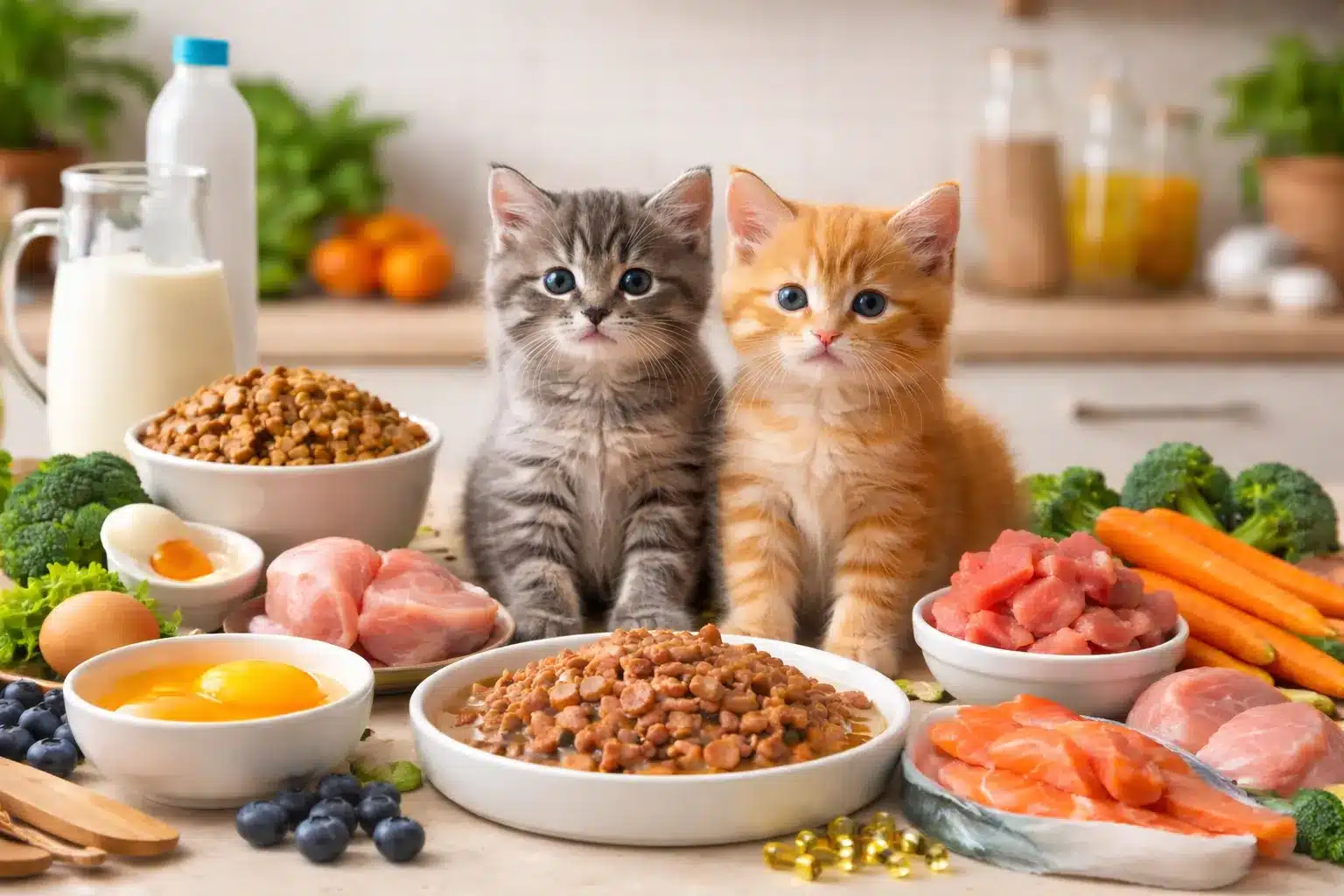
Nutritional Requirements for Kittens: Ultimate Feeding Guide

Bringing a new kitten into your home is an exciting journey, and one of the most critical responsibilities you have as a pet parent is ensuring proper nutrition. Unlike adult cats, kittens have unique nutritional requirements for kittens that support their rapid growth, high energy levels, and developing immune systems. At The Pet Kingdom, we believe that understanding these nutritional requirements for kittens is the first step toward raising a healthy, happy cat.
Why Kitten Nutrition Differs from Adult Cat Nutrition
Kittens grow at an astonishing rate. During their first six months, they may gain weight daily and triple their birth weight within weeks. This rapid development demands concentrated sources of energy, protein, vitamins, and minerals. Feeding a kitten adult cat food is one of the most common mistakes new owners make. Adult formulas lack the specific nutrient density required for proper bone development, brain growth, and organ maturation. This is why the nutritional requirements for kittens must be addressed separately from adult maintenance diets.
Essential Nutrients Every Kitten Needs
High-Quality Animal Protein
Protein forms the cornerstone of any kitten’s diet. Unlike dogs or humans, cats are obligate carnivores, meaning they derive essential nutrients from animal tissue. Kittens require approximately 30-40% protein on a dry matter basis. Look for named animal sources like chicken, turkey, salmon, or lamb as the first ingredient. Protein provides amino acids such as taurine, which is critical for heart health, vision, and immune function. Without sufficient taurine, kittens can develop severe health complications, including blindness and heart disease. Meeting the nutritional requirements for kittens starts with choosing protein-first formulas.
Healthy Fats for Energy and Development
Fats are the most concentrated energy source for growing kittens. They provide essential fatty acids like DHA (docosahexaenoic acid), an omega-3 fat that supports brain and retinal development. Arachidonic acid, another fatty acid found only in animal fats, is also vital. Quality kitten foods contain approximately 20-25% fat on a dry matter basis, which fuels their playful adventures and supports healthy skin and a shiny coat. Without adequate DHA, the nutritional requirements for kittens for cognitive development remain unmet.
Controlled Calcium and Phosphorus Ratios
Bone development depends heavily on the correct balance of calcium and phosphorus. Kittens need more calcium than adult cats, but the ratio matters more than the absolute amount. The ideal calcium-to-phosphorus ratio ranges from 1:1 to 1.5:1. Improper ratios can lead to skeletal deformities, especially in large-breed kittens. Commercial kitten foods formulated by reputable brands automatically provide this balance, ensuring the nutritional requirements for kittens’ skeletal health are satisfied.
Vitamins and Minerals
Vitamin A supports vision and immune function, and since cats cannot convert beta-carotene from plants into active vitamin A, it must come from animal sources. B vitamins aid energy metabolism, while vitamin E and selenium act as antioxidants. Minerals like zinc, copper, and iron support enzyme function and red blood cell production.
Ready to give your kitten the best start in life?
Shop our premium kitten food collection at The Pet Kingdom today and enjoy fast delivery across Egypt.
Life Stage Feeding Guidelines
0-4 Weeks: Mother’s Milk or Kitten Milk Replacer
During the first month, mother’s milk provides perfect nutrition, including colostrum for passive immunity. If orphaned, use a commercial kitten milk replacer, never cow’s milk, which causes digestive upset.
4-8 Weeks: Weaning Begins
Introduce a high-quality wet kitten food mixed with replacer to create a gruel. Gradually reduce the liquid until the kitten eats solid food independently.
2-6 Months: Rapid Growth Phase
Feed three to four small meals daily. Kittens have tiny stomachs but enormous energy needs. Choose a food labeled specifically for growth or “all life stages.” Wet food provides hydration, while dry food offers convenience. Many owners use a combination.
6-12 Months: Transition to Adult Food
Growth slows after six months. Begin mixing kitten food with adult formula over 7-10 days. Small breeds may transition earlier; large breeds benefit from kitten food until 12-14 months.
Common Feeding Mistakes to Avoid
Free-feeding (leaving food out all day) works for some kittens but can lead to obesity in others. Instead, measure portions according to the food manufacturer’s guidelines, adjusting based on your kitten’s body condition. Avoid table scraps, especially onions, garlic, grapes, raisins, chocolate, and xylitol, all of which are toxic to cats. Also, avoid grain-free diets unless medically indicated—whole grains provide valuable nutrients and energy.
Choosing the Right Food at The Pet Kingdom
At The Pet Kingdom, we offer a carefully selected range of kitten foods that meet AAFCO nutritional requirements for kittens. Whether you prefer premium dry kibble, moisture-rich wet food, or combination feeding, our products feature named protein sources, balanced micronutrients, and no artificial preservatives. Visit our online store to explore our collection of kitten formulas designed for Egyptian pet parents who demand the best for their furry family members.
Remember that every kitten is an individual. Monitor your kitten’s energy levels, stool quality, coat condition, and weight gain. Regular veterinary check-ups ensure your feeding plan supports optimal growth. With proper nutrition during this critical window, you’re not just feeding a kitten, you’re building the foundation for a long, vibrant life.
Ready to order the best nutrition for your kitten?
Send us your order on WhatsApp now, and we’ll deliver it to your door.
FAQs
1. How often should I feed my 8-week-old kitten each day?
Feed your 8-week-old kitten three to four small meals daily using a high-quality wet or dry kitten formula, as their tiny stomachs cannot handle large portions at once.
2. Can I give my kitten cow’s milk as a treat?
No, never give cow’s milk to kittens because most are lactose intolerant, which causes severe diarrhea and dehydration; use only commercial kitten milk replacer if needed.
3. When should I switch my kitten from baby food to adult cat food?
Most kittens can transition to adult cat food between 10 and 12 months of age, but large breeds may benefit from staying on kitten formula until 14 months.
4. Is dry food or wet food better for my kitten’s health?
Both options have benefits—wet food provides essential hydration, while dry food supports dental health—so many owners offer a combination of high-quality kitten formulas.
5. How much water should my kitten drink daily?
Kittens need approximately 50-70 ml of water per kilogram of body weight daily, but those eating wet food will drink less than those on dry-only diets.


